
Introduction
Rubber Band Syndrome is a rare condition in which a rubber band or other object circumferentially is wrapped around a limb and constricts distal blood flow. This condition can eventually erode deep to the skin, hiding the object, but causing distal swelling, neurovascular damage, and/or necrosis. To date, most reported cases have been in children, particularly in India due to prominent religious practices of wearing bracelets/bands around limbs.1–5 To our knowledge, less than 6 reports of adults with Rubber Band Syndrome have been documented in literature.6–10
Statement of Informed Consent
The patient was informed that details of the case would be submitted for publication, and the patient provided verbal consent for this information to be shared in a scholarly journal. Of note, consent was obtained after resolution of her psychosis. No identifying information is included in the report.
Case Report
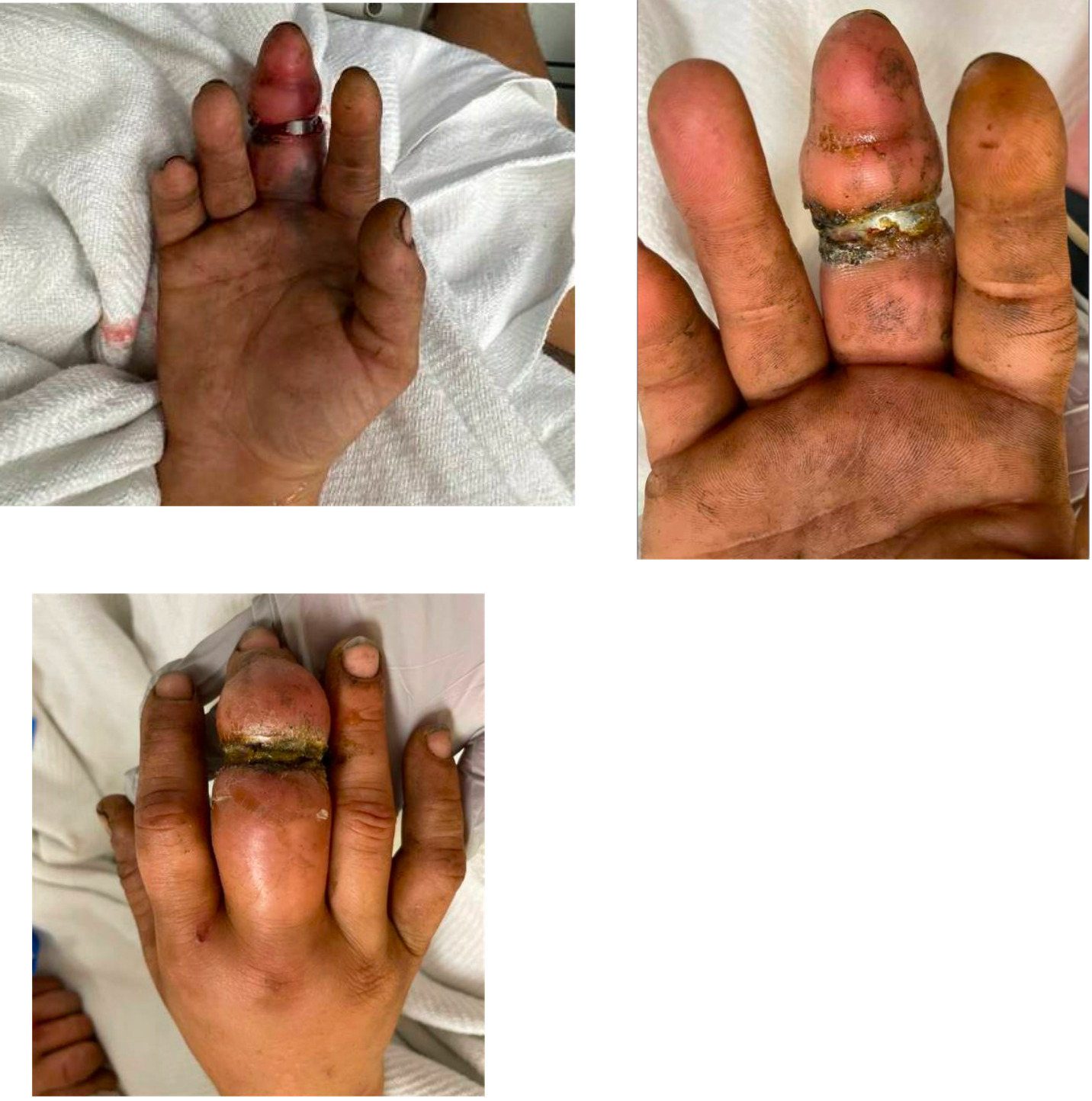
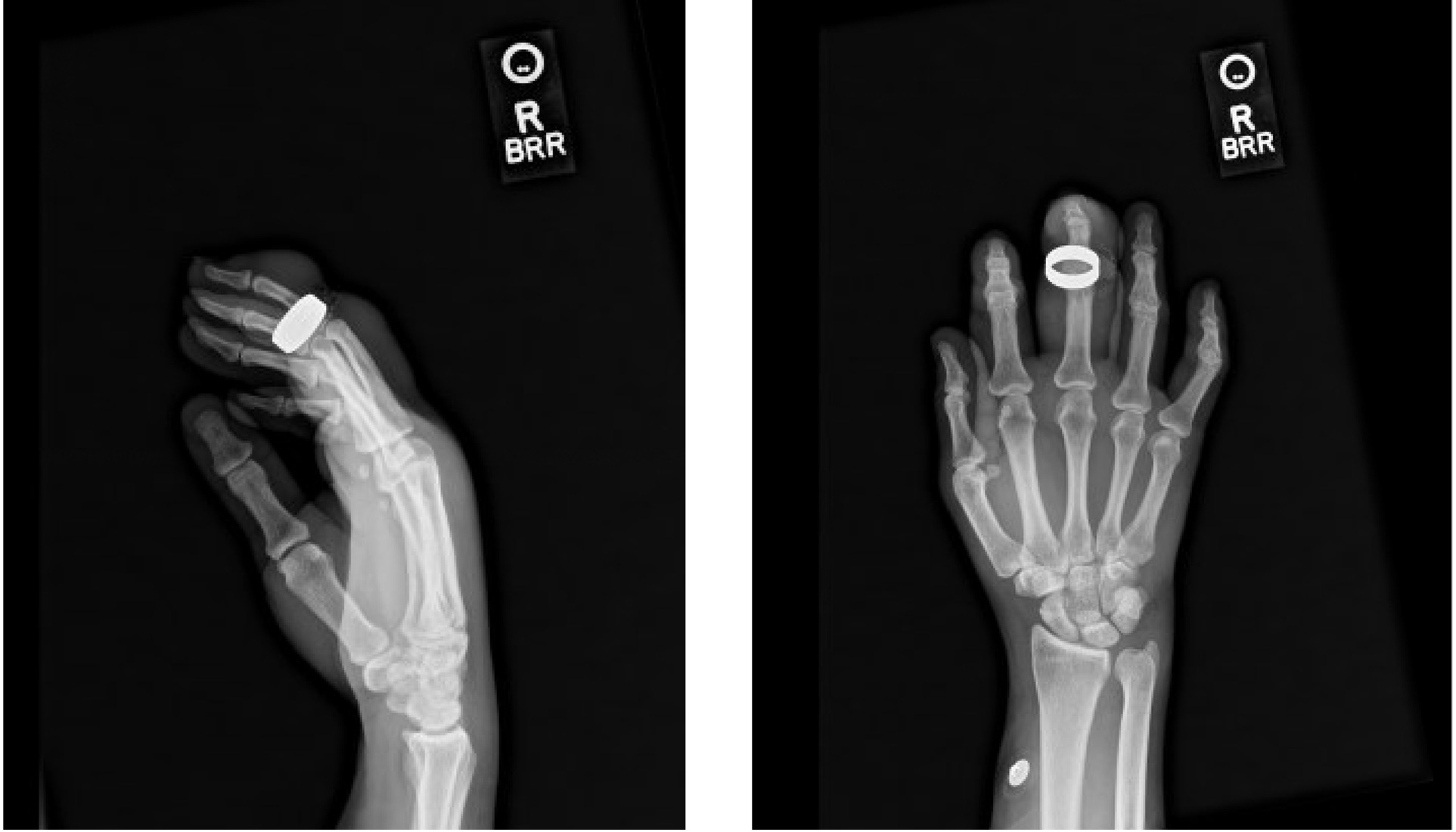
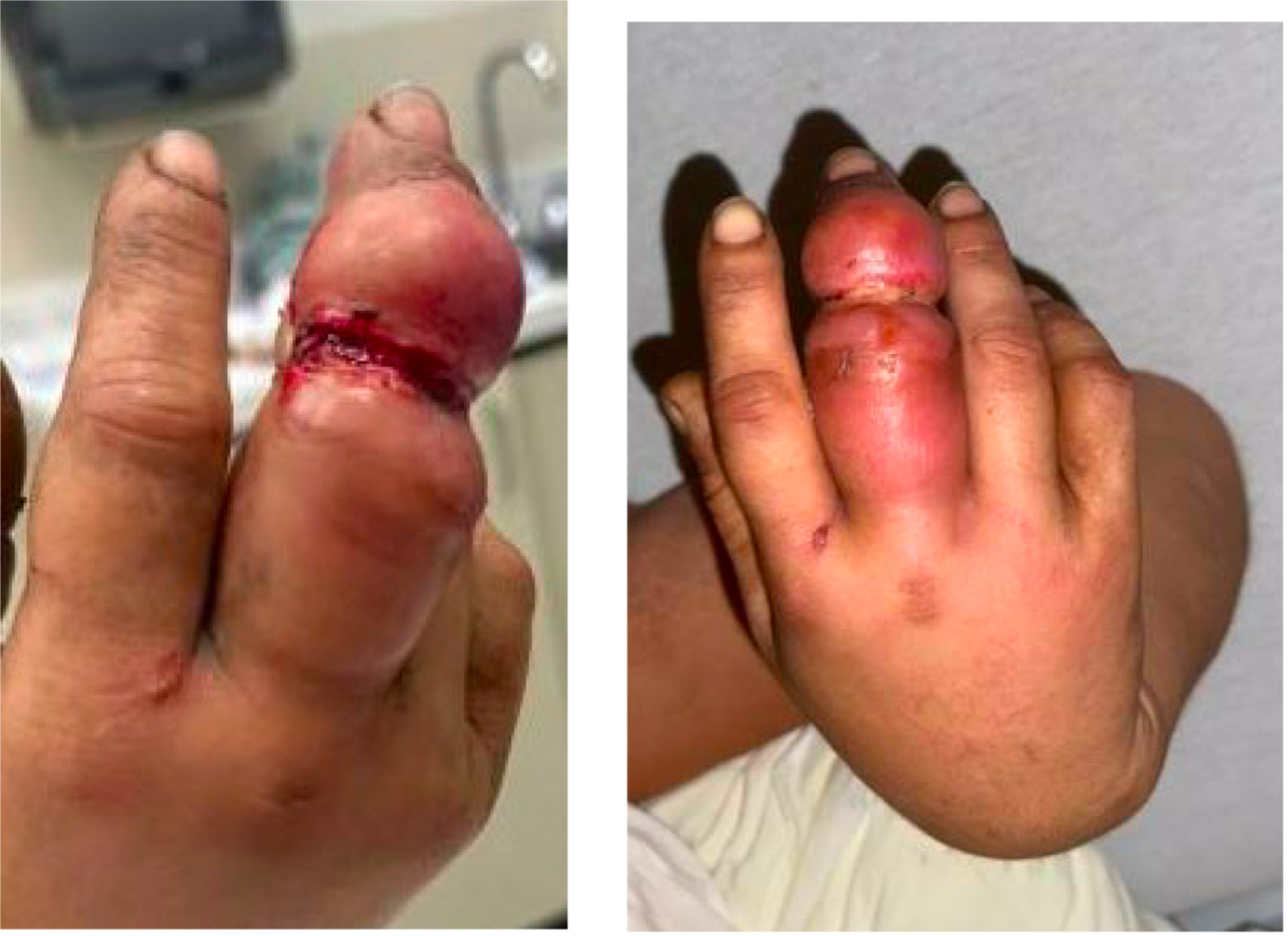
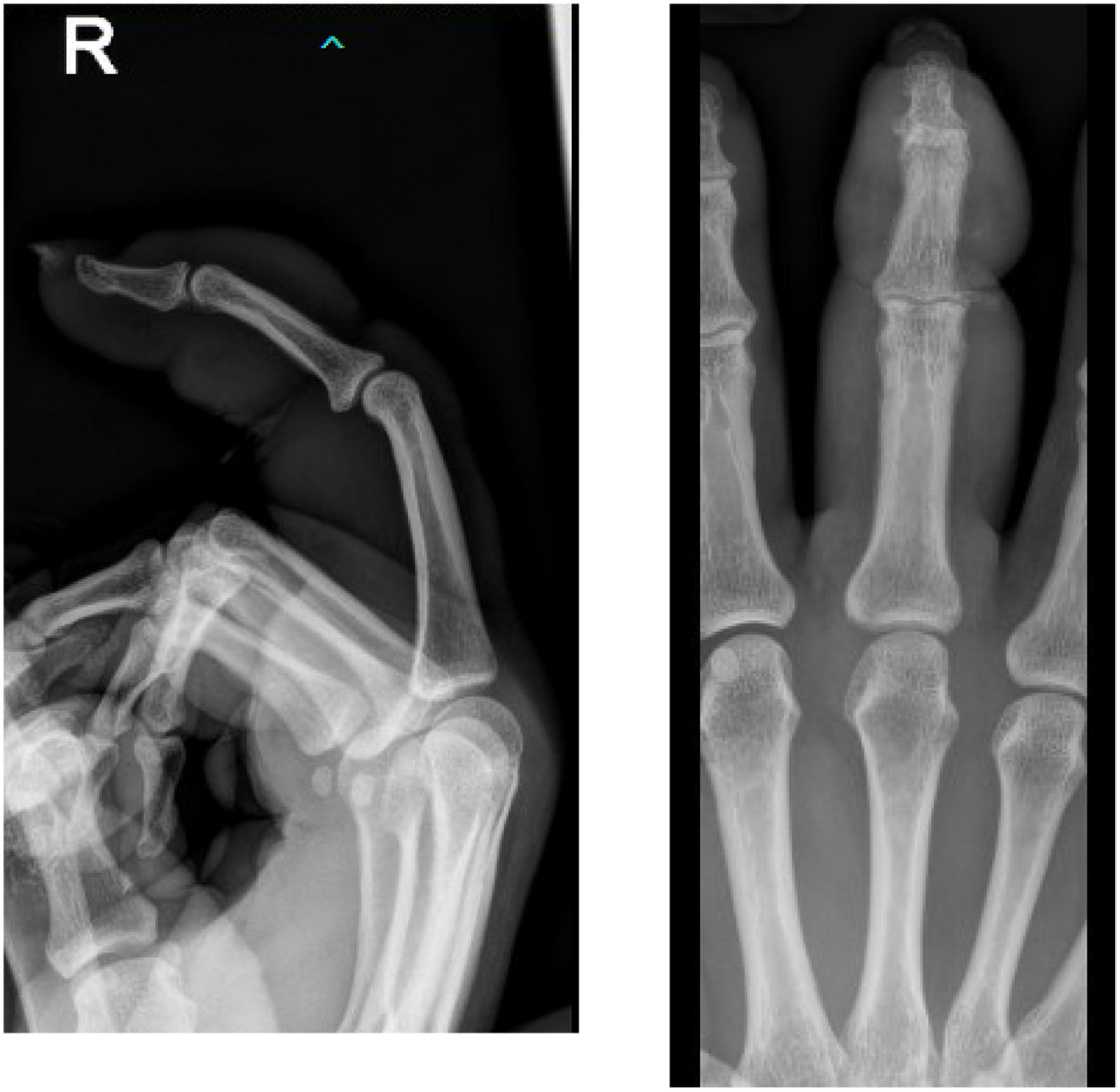
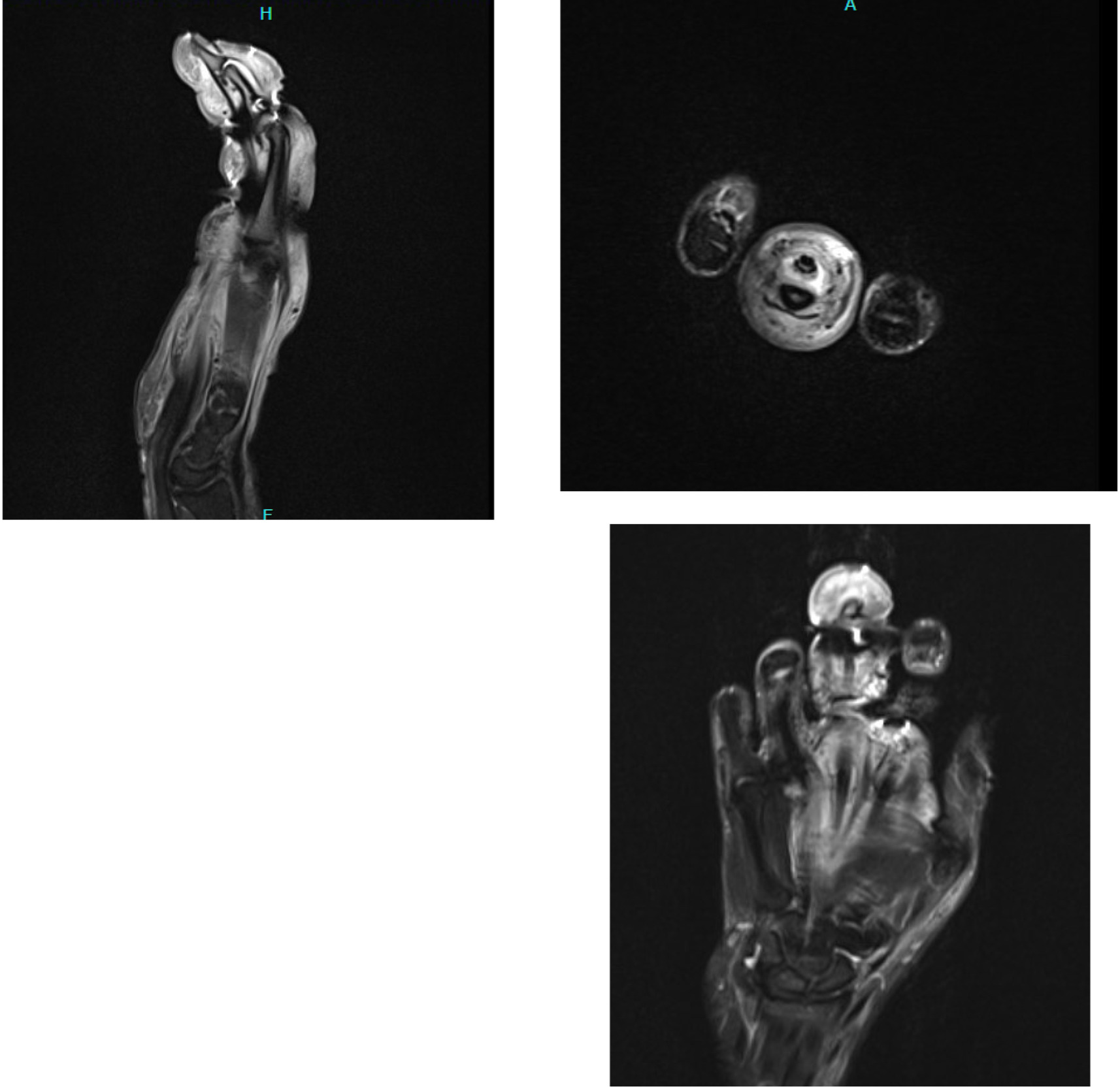
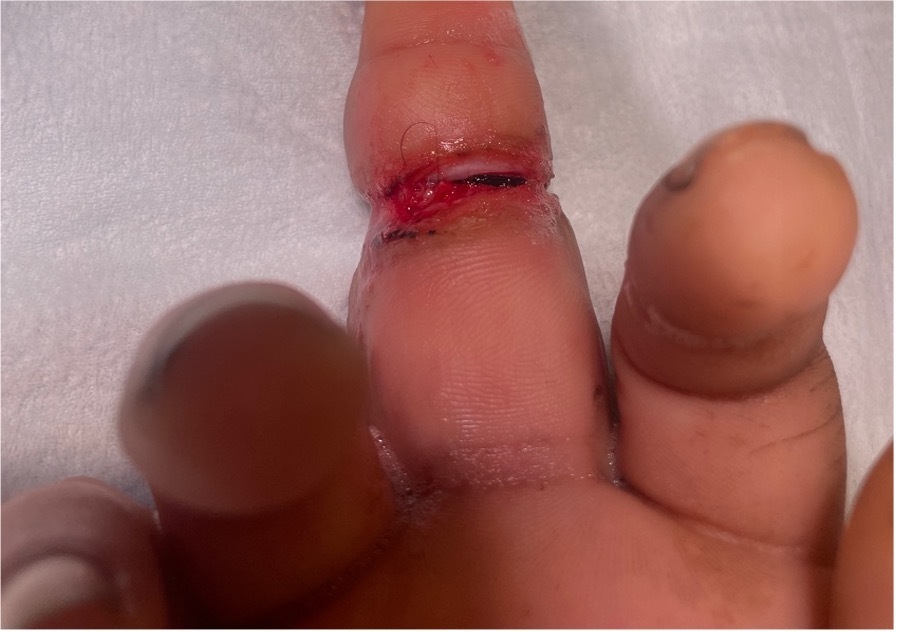
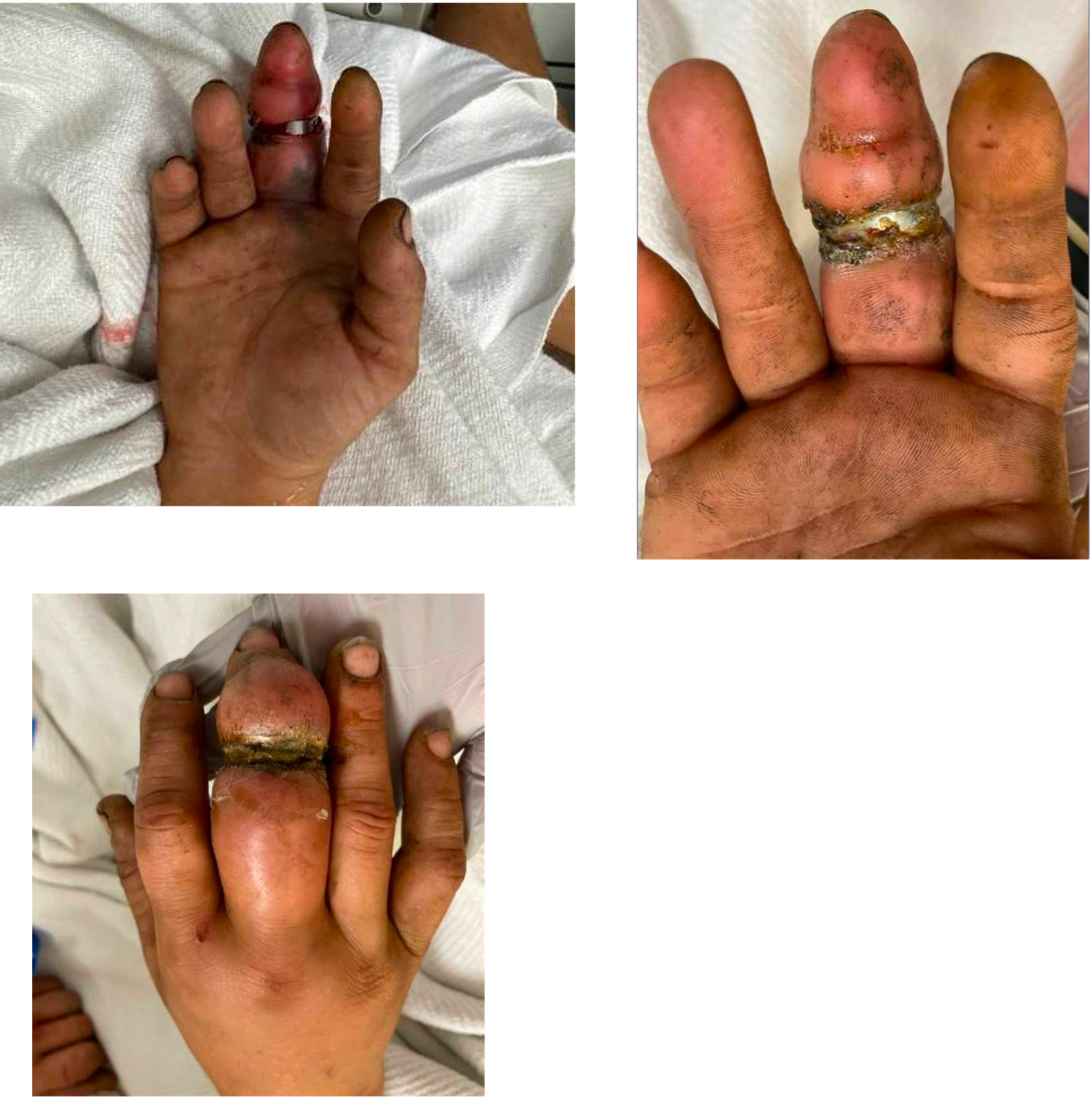
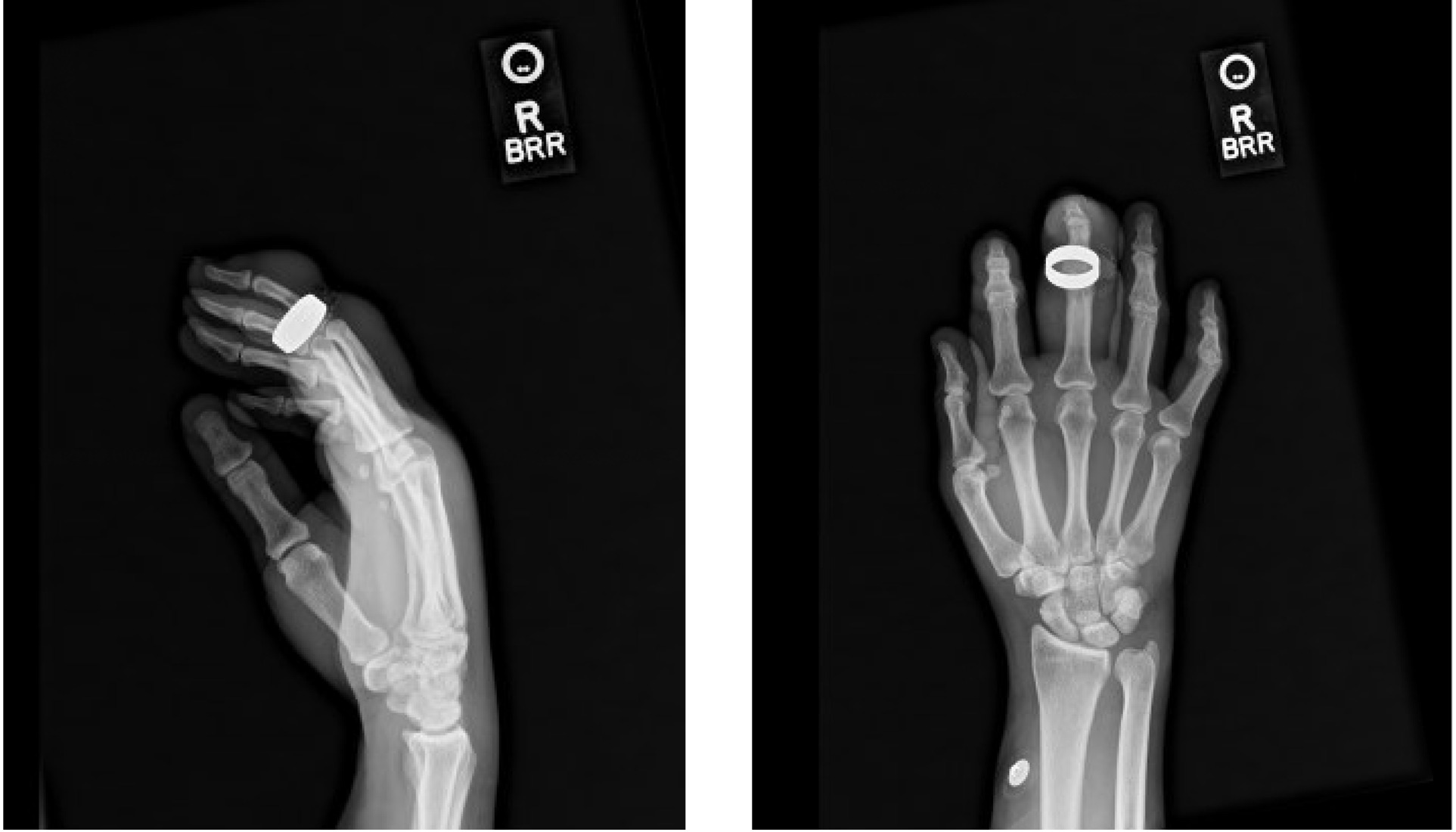
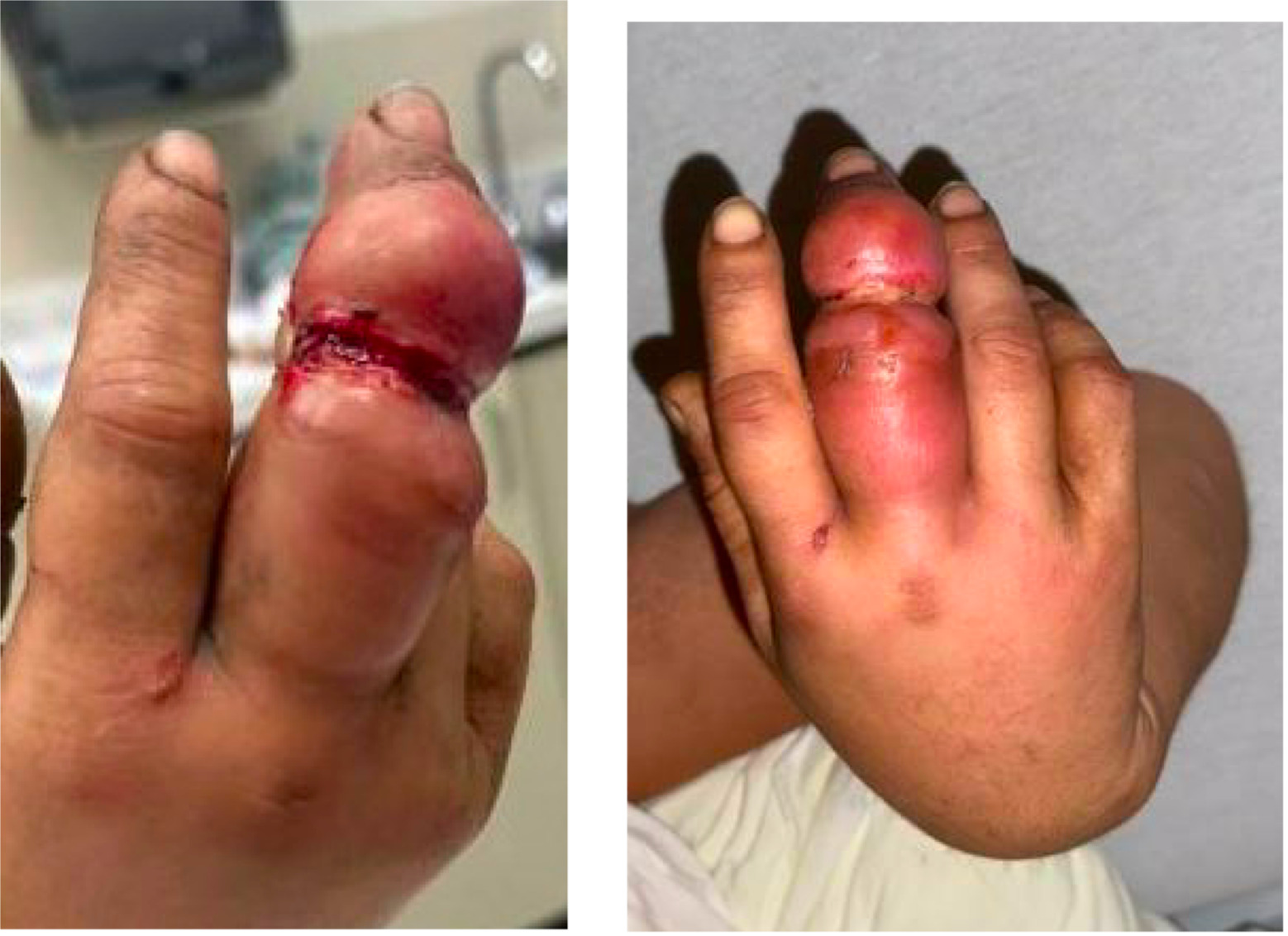
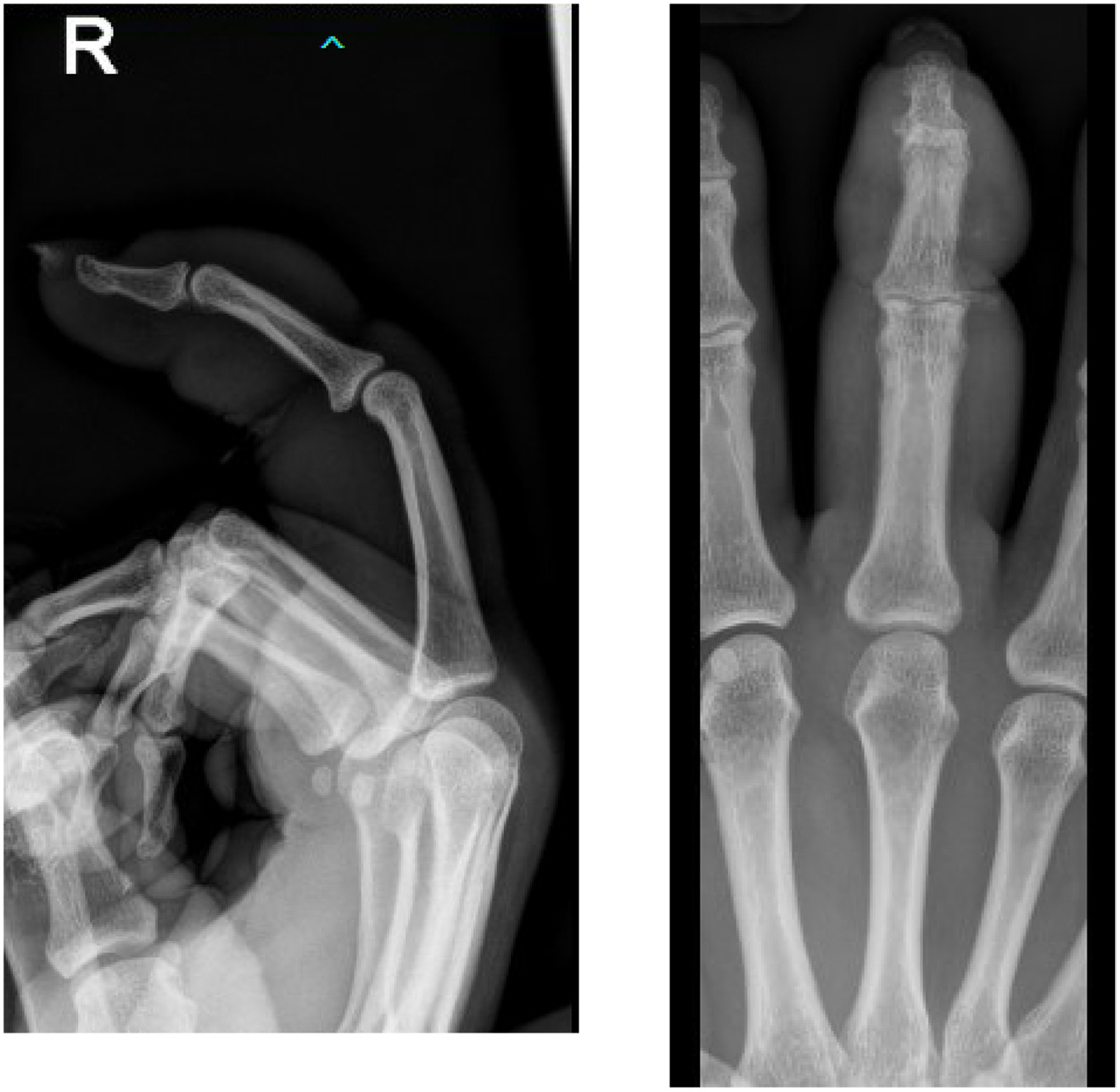
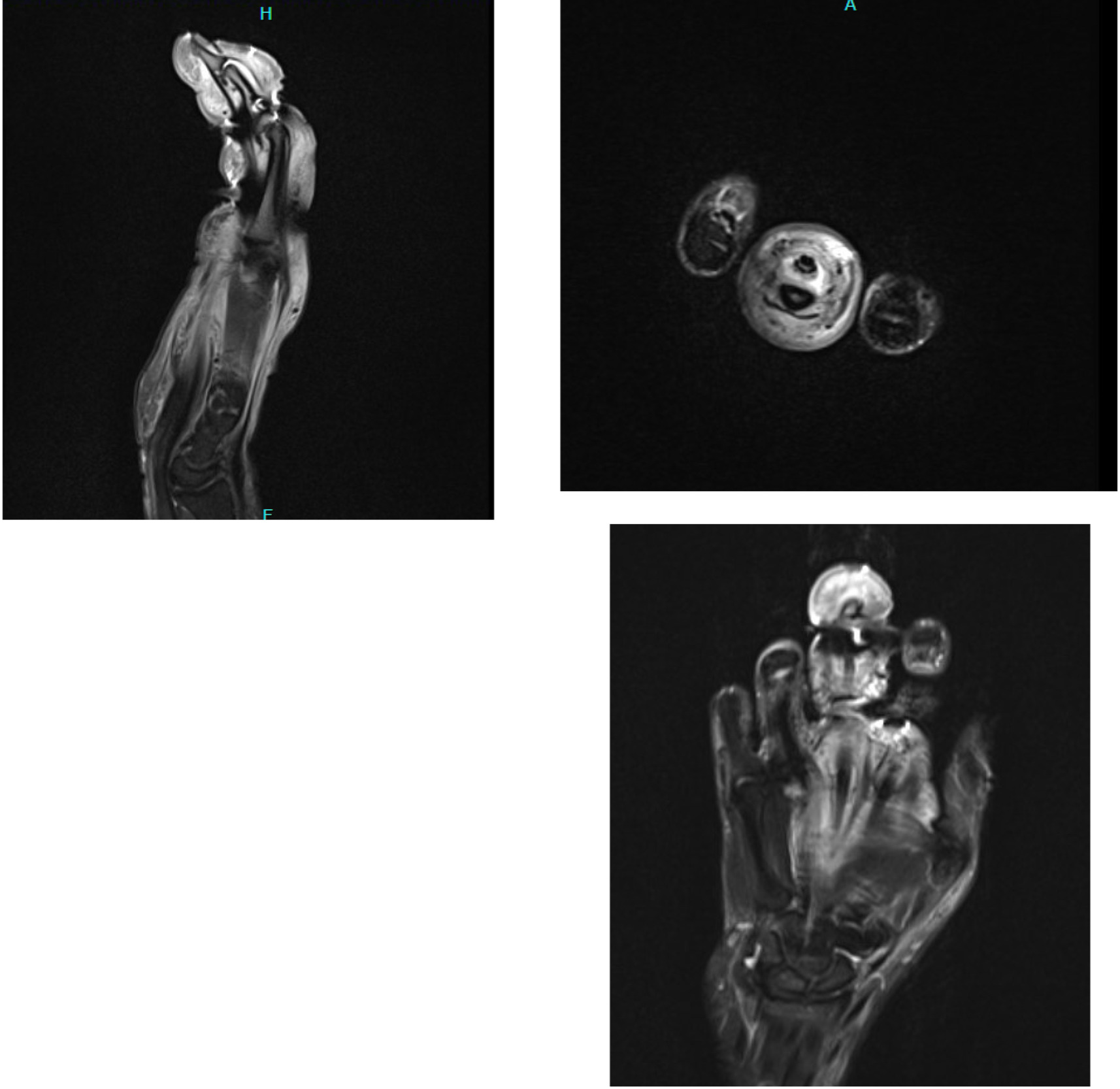
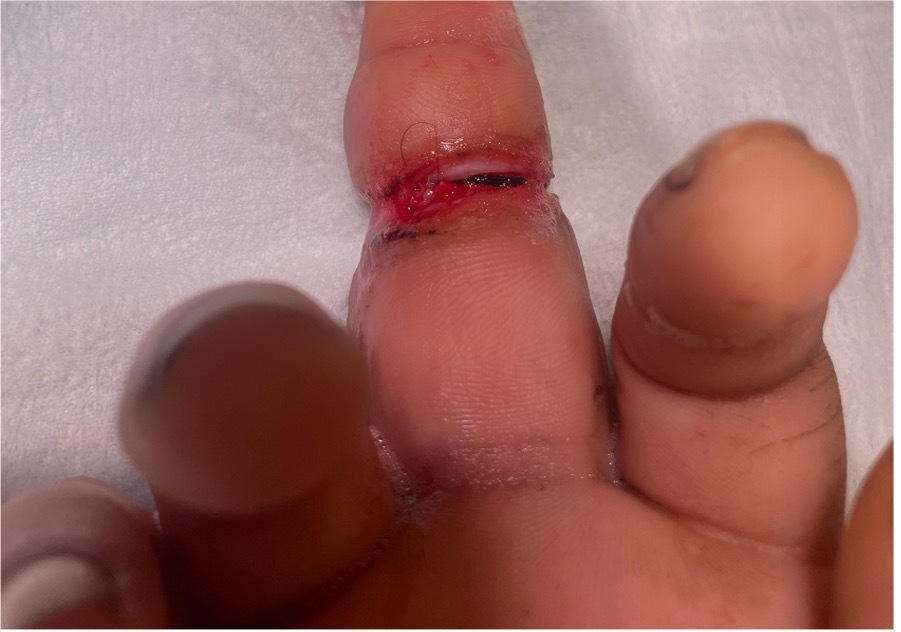
A 30-year-old female with a history significant for Schizophrenia, Bipolar 1 Disorder, depression, and polysubstance abuse – requiring previous psychiatric admissions – presented to the emergency department in an acute psychotic episode. On exam, the patient appeared disheveled and in acute distress. The patient was afebrile with stable vital signs, and was found to have a metal ring stuck on the right long finger with significant surrounding erythema and edema (Figures 1,2). The patient was not able to give an appropriate history of the length of time the ring had been on the finger. The patient had mildly elevated inflammatory markers (WBC 11 TH/cmm, ESR 35 mm/hr, CRP 2mg/dL). Due to in-growth, the ring was removed in sections under procedural sedation by cutting it with a motorized cutter by the emergency department (Figures 3,4). No other apparent constricting foreign body was noticed during the ring removal. The patient was admitted to medicine and placed on broad-spectrum antibiotics for presumed infection. A linear, circumferential granulated wound with mild drainage was presumed to be from the lodged ring. Despite antibiotic therapy and the removal of the ring, the patient only showed mild improvement over the next 48 hours. Concern for deep infection and/or flexor tenosynovitis prompted advanced imaging. MRI was obtained with findings suggestive of flexor tenosynovitis and possible early osteomyelitis but was not remarkable for any constricting foreign body (Figure 5). However, the image was degraded mildly due to susceptibility artifact likely caused by tiny metal fragments from the ring removal process with the motorized cutting wheel. On hospital admission day 2, the patient was then taken to the operating theatre for irrigation and debridement and a circumferentially wrapped rubber band was identified within the finger deep to the granulation tissue (Figure 6). This result was at the same level of the digit as the site of ring removal. The ulnar digital artery and nerve were also found to be transected. The rubber band was removed, followed by debridement of nonviable tissue and irrigation of the flexor tendon sheath. Intraoperative cultures were positive for polymicrobial infection. After resolution of the patient’s acute psychotic episode, the patient had no recollection of placing a rubber band to the finger, despite the apparent lengthy amount of time of its presence as evidenced by the rubber band being embedded under the skin. The patient showed clinical improvement after surgery and was discharged. The patient has since been lost to follow-up.
Discussion
Constricting Band Syndrome is most commonly thought of as a product of in utero amniotic bands which wrap around an affected limb or digit and restrict blood flow.11 However, outside of the womb, the same pathology can exist when objects are placed tightly around an affected limb or digit either inadvertently or intentionally. This condition is called “Acquired” Rubber Band Syndrome, Acquired Constricting Band Syndrome, Forgotten Band Syndrome, or Dhaga Syndrome. Most of the case reports involving Rubber Band Syndrome are described in Indian literature, where elastic bands are placed around the limbs of infants as part of religious ceremony.1–5,12 These forgotten constricting bands cause distal blood flow interruption and tissue edema and a compartment syndrome like appearance which can result in tissue necrosis. This swelling can mimic flexor tenosynovitis and may have elevated inflammatory markers. In our case, initial inflammatory markers were only mildly elevated. Although our patient’s WBC normalized, CRP remained mildly elevated and actually increased from 2.08mg/dL to 3.88mg/dL despite antibiotic therapy, which also prompted surgical exploration. Although MRI has shown to be useful in some other cases in the literature,12–15 these foreign bodies may remain undetectable on advanced imaging, as in our case, in which the rubber band was undetectable on MRI. This perceived absence was likely due to the image quality being affected by susceptibility artifact from very small ferrous particles left over from the initial metal ring removal by the motorized cutter.
For physicians across many disciplines, this rare but potentially devastating pathology should remain a possible cause of medical difficulty when dealing with vulnerable populations (infants, patients with neurodegenerative or mental health disorders, patients under the influence of substances that affect mental status) who present with idiopathic digit swelling distal to circumferential wounds or scarring. It underscores the importance of thorough physical examination and maintaining a broad differential when evaluating digital edema and soft-tissue compromise.