
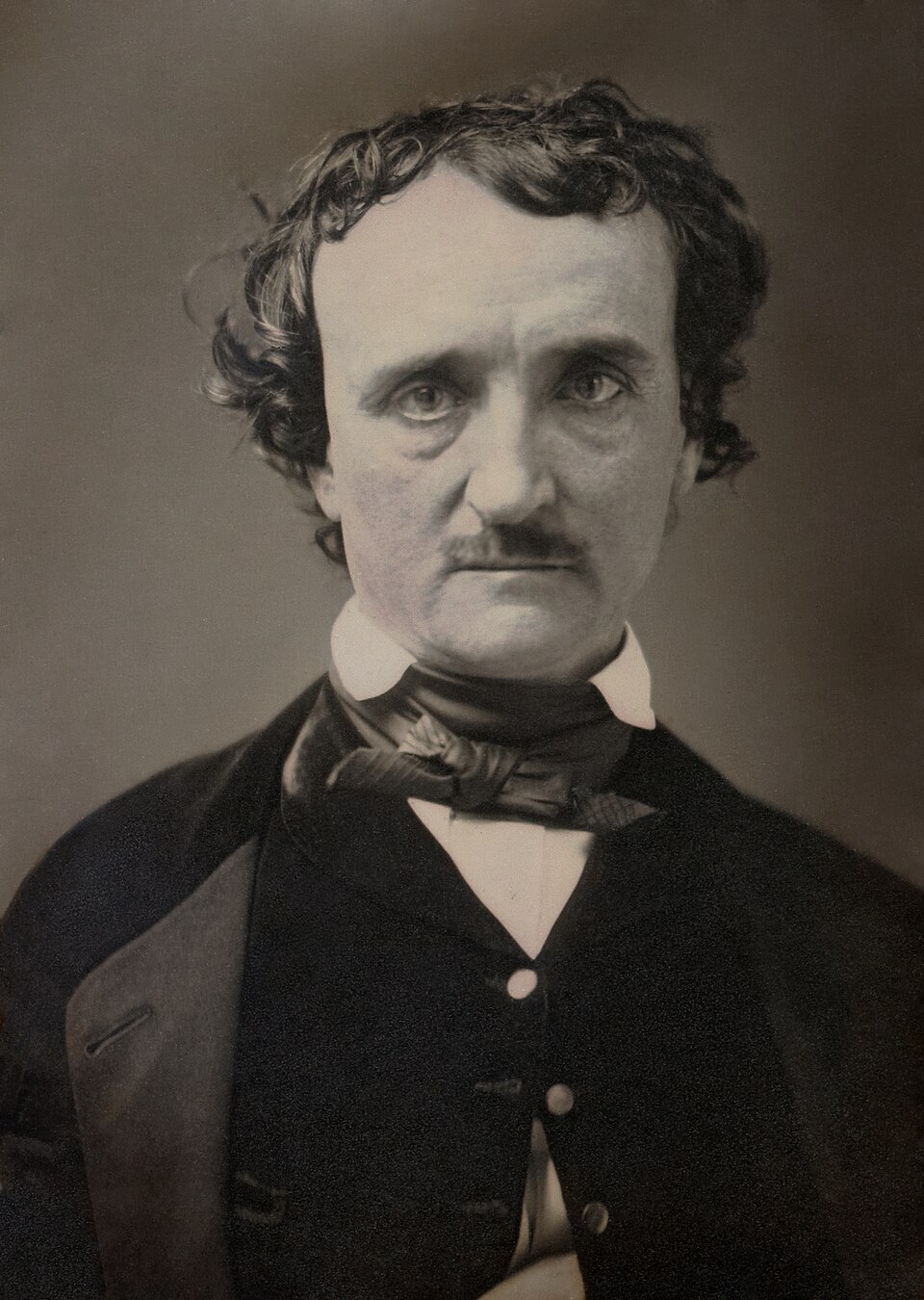
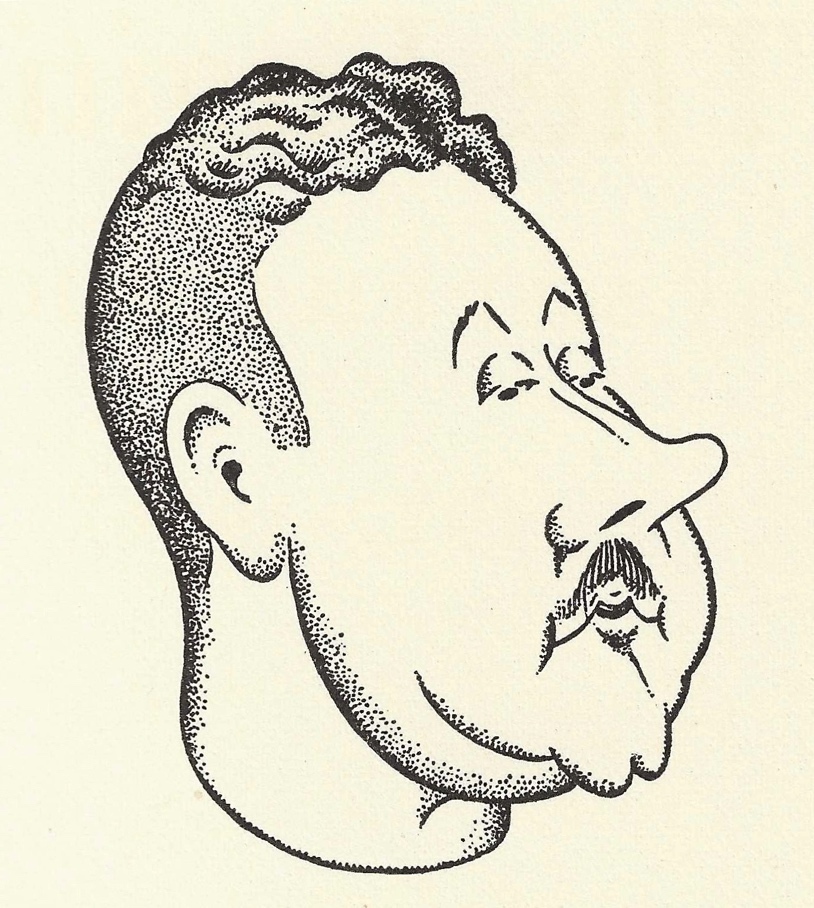
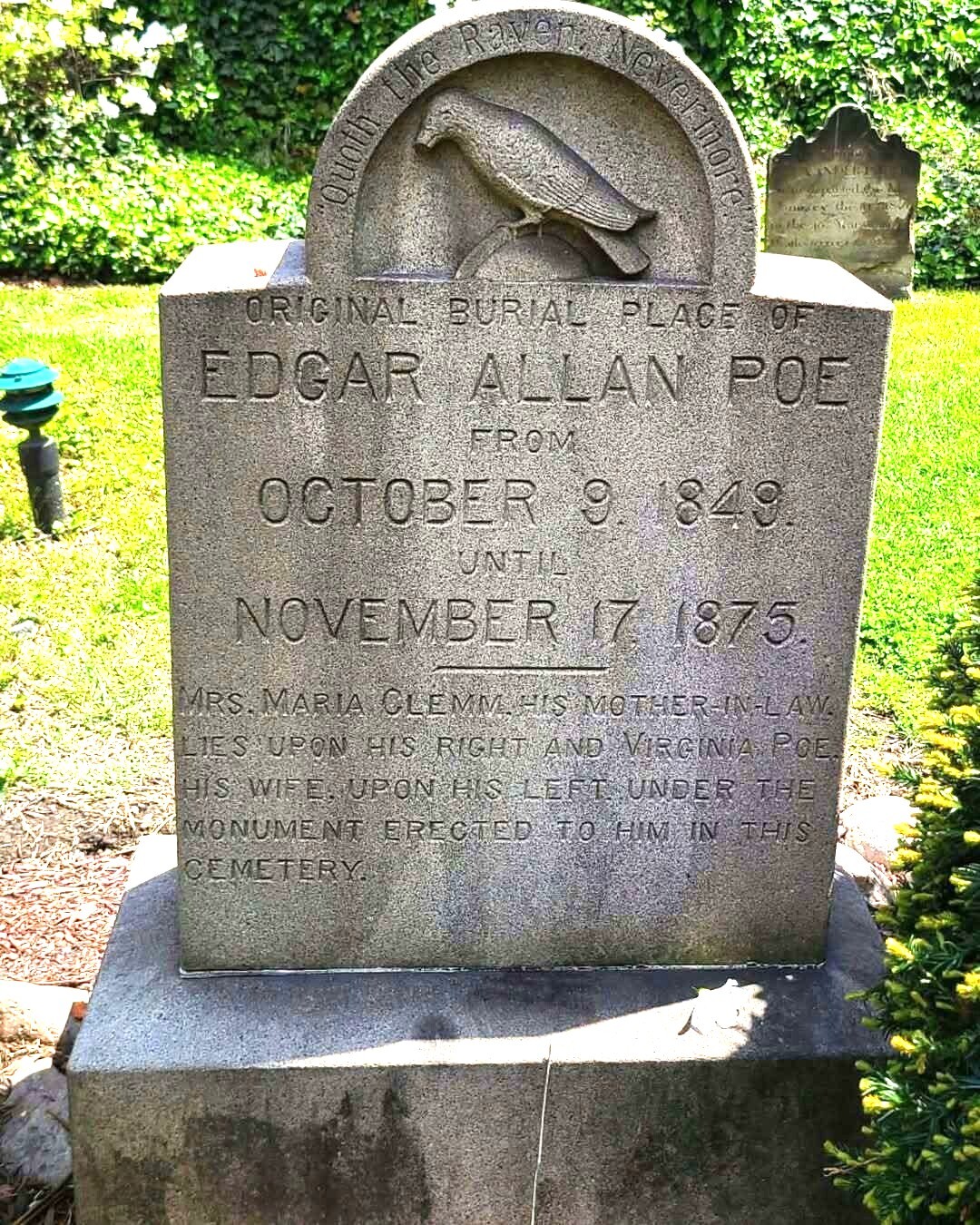
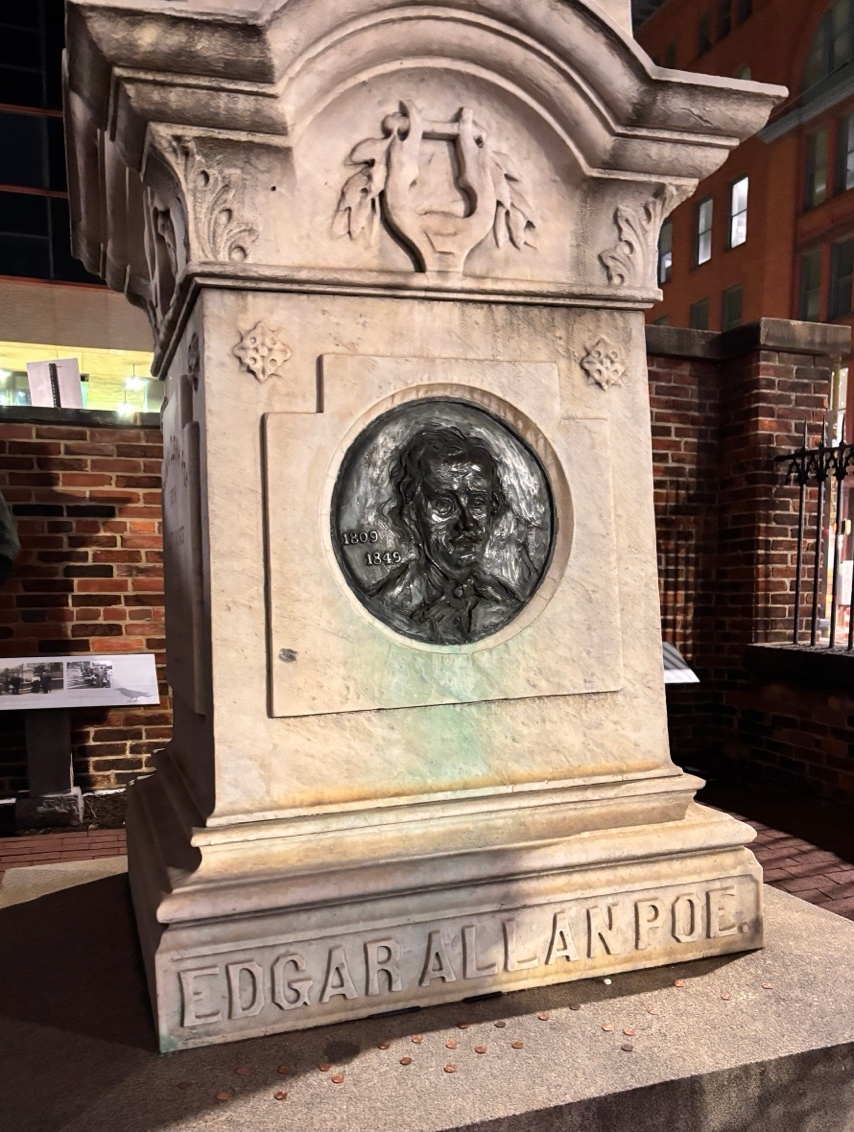
[This month, I return to a multi-issue and episodic focus on the poetry of the late physician-poet Merrill Moore, MD (1903-1957), a noted American psychiatrist and neurologist who also achieved fame as a poet and sonneteer. This poem’s subject is Edgar Allan Poe (1809-1849), the pioneering Southern poet, editor, and writer who achieved global fame as the poet of the “The Raven” and “Annabel Lee” and as the author of such stories as “The Masque of the Red Death,” “The Tell-Tale Heart,” “Fall of the House of Usher,” “The Cask of Amontillado,” and “The Gold Bug.” Poe is revered for psychological approaches in his literary works, a talent and passion he shared with Dr. Moore. Moore’s special interests as a psychiatrist (and as a poet) were addiction and suicide, as well as bipolar disorder, all aspects or features of Poe’s own complicated self and his creative writing. Also, both poets died relatively young.
_is_shown_here_in_an_old_photograph.jpg)
This poem, “Edgar Allan Poe, Before Expiring, Said,” was an early poem of Moore’s, originally published in “The Sewanee Review” in 1929 as “Edgar Allan Poe: The Butcher.”1 (Moore’s original reference to Poe as “The Butcher” perhaps relates to Poe’s reputation as a brutal and uncompromising literary critic but more likely to Poe’s psychological darkness, his penchant for self-torment and self-destruction as evidenced by his turbulent romances and internal demons and fanatical desire for perfection in his art, resulting in the “butchery” of his own heart, broken time and again, as the poem suggests, into “fragmented memories never to be / Restored again to pristine unity.”) Moore had graduated from medical school in 1928 and was beginning his psychiatric training at the time of its first publication. His later version, which we print here, was published 9 years after the first and was edited slightly, including a change in the title, perhaps from a desire to emphasize the content being Poe’s imagined last words or thoughts. Also, possibly influenced by Poe’s insistence in his essay “The Poetic Principle” (published posthumously in 1850) of the vital importance of musicality and rhythm, Moore improved the rhythm of the later version and made changes in the spacing of the stanzas.2 This short, laudatory sonnet praises Poe’s brilliant imagination and reflects upon his mortality and premature death. The sonnet portrays the emotions of a broken heart, imagining the final moments of Edgar Allan Poe’s existence. In words reminiscent of Poe’s own vivid and physical lyricism, Moore suggests that the poet’s suffering unleashed “stories wonderful to tell.” If he finds the stories “scorching—unforgettable—memorable,” it is no doubt because they adhered to the rules of narrative architecture Poe laid out in his 1846 essay “The Philosophy of Composition”: brevity, unity of effect, and omission of extraneous details. Poe remains one of the most influential of all Southern writers and cast an imposing shadow on the Fugitive poets of Nashville who followed almost a century later (among them Moore).
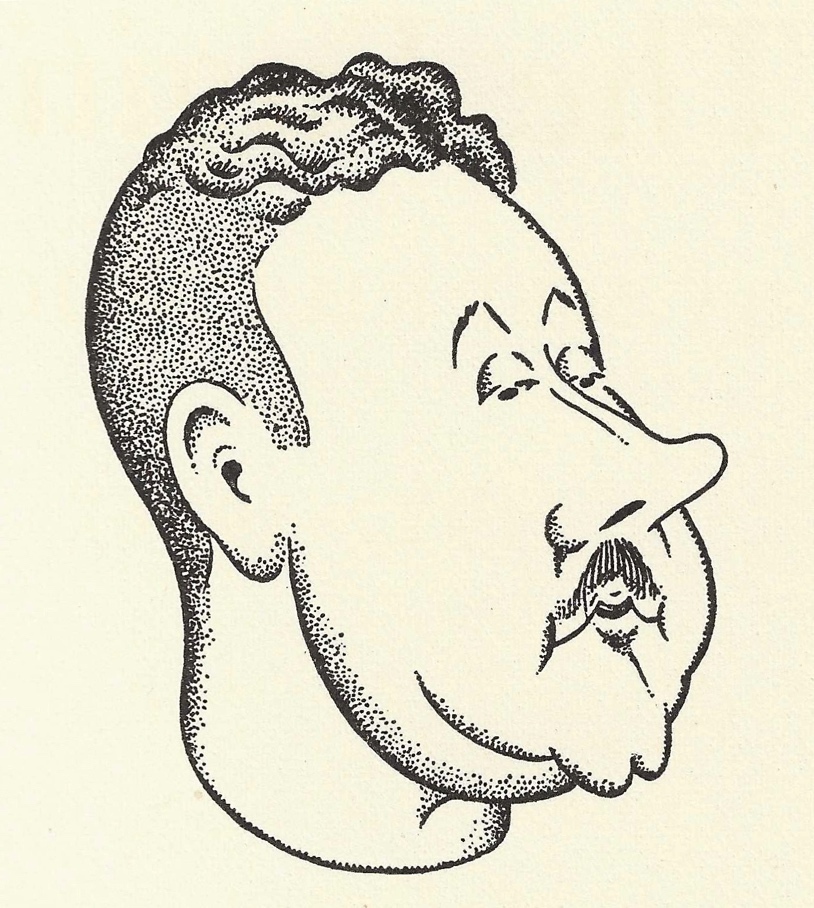
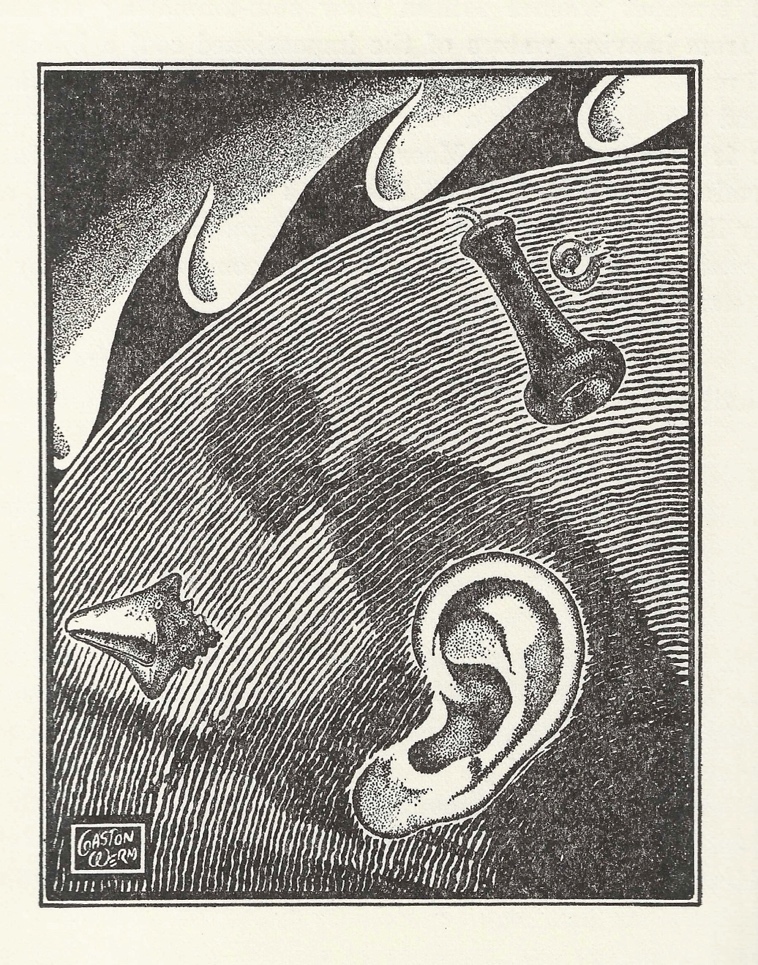
The poem mildly echoes the words of Moore’s most famous early poem, “The Noise that Time Makes,” his classic meditation on the quiet but relentless passage of time. The first two lines of each poem share similar words: “Listen: you can hear the noise that hearts make / When in the silence of a room they break.” and “The noise that Time makes in passing by / Is very slight but even you can hear it.” How to hear the unhearable was an especially fascinating concept for both Poe and Moore. In his poem about Poe, Moore also uses the ancient medical term “humors” (owing to his medical training), which is historically derived from the Latin “humor” meaning “moisture” or “fluid.” Hippocratic medical tradition discussed the balance of the four humors (blood, phlegm, yellow bile, and black bile) which was thought to direct a person’s physical health and being. The term survives in current medical practice in such words as aqueous humor and vitreous humor.
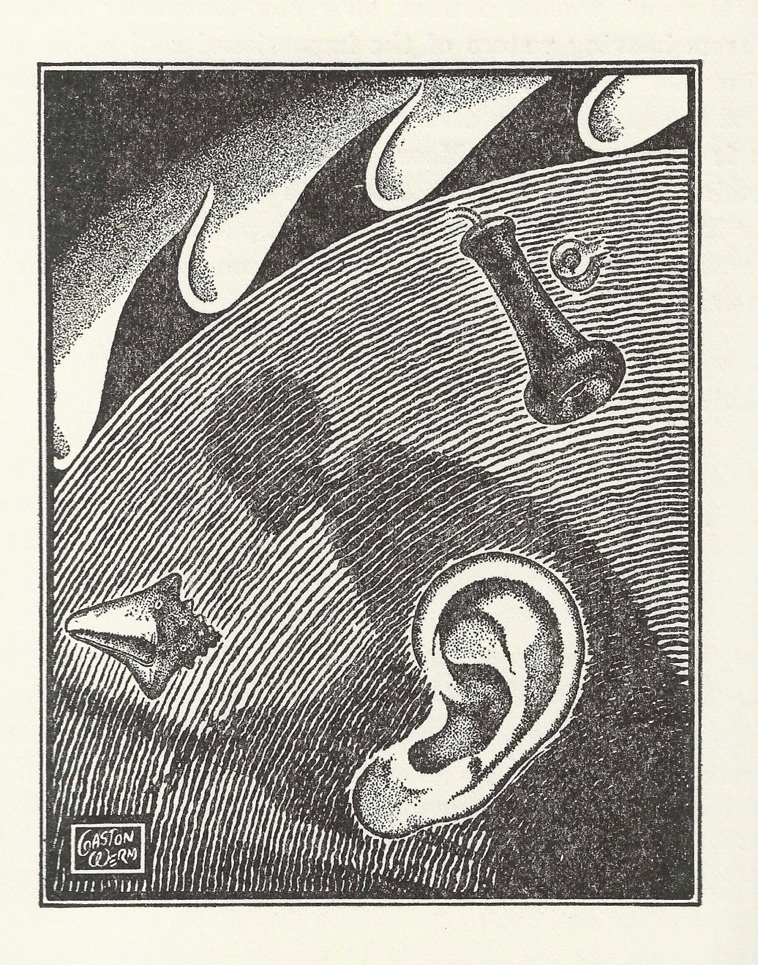
Moore’s son, Adam, also a physician, recalled to me in 2019: “The Fugitive group certainly was effectively dedicated to productivity in their common interests. My father had the ability to jot down (or dictate) material quickly as well as clearly, and he managed to dictate - into his Ediphone (hard wax cylinders), and later a SoundScriber (discs) – potential material for development into a sonnet. I think that the creativity was almost as constant as his breathing! Prior to WW2 his literary creativity was very much to the fore, as was his interest in conchology.”3 One of his closest friends, writer, poet, and critic Louis Untermeyer, noted Moore usually refrained from making any revisions to his sonnets once written: “He is rarely able to improve a single sonnet; he lacks not only the time, but has real difficulty even in revising one.”2 His minor revisions in this republished version of the poem are thus noteworthy.
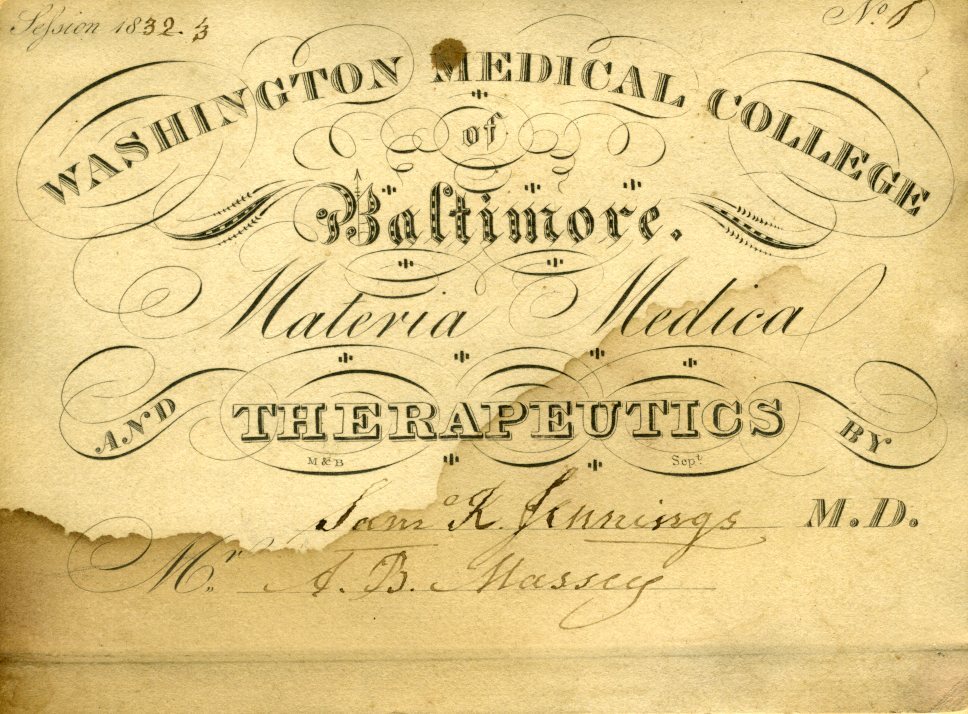
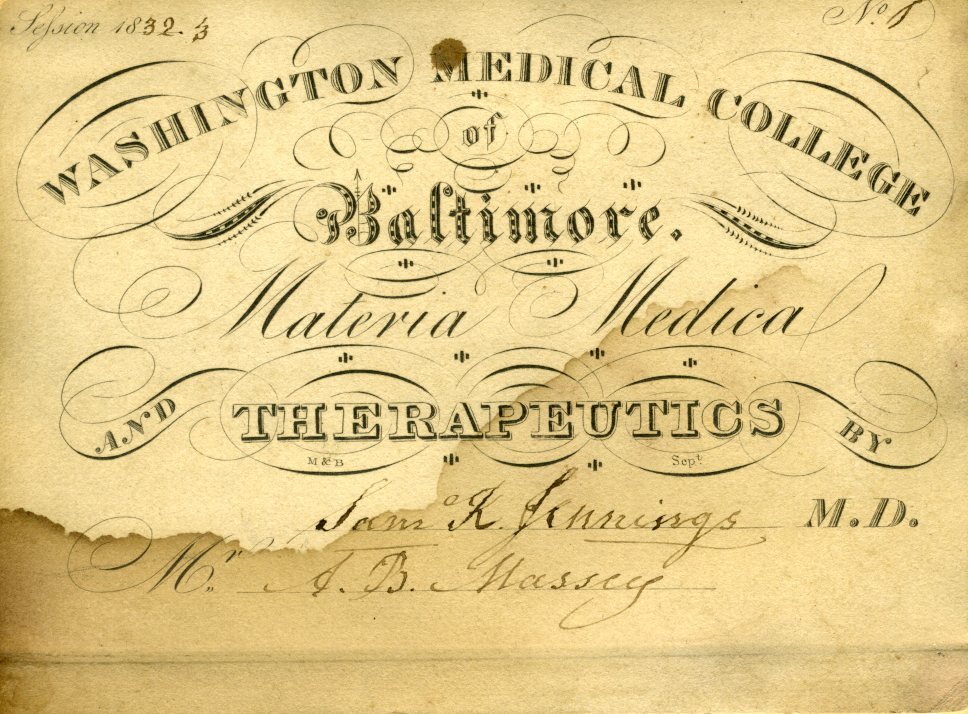
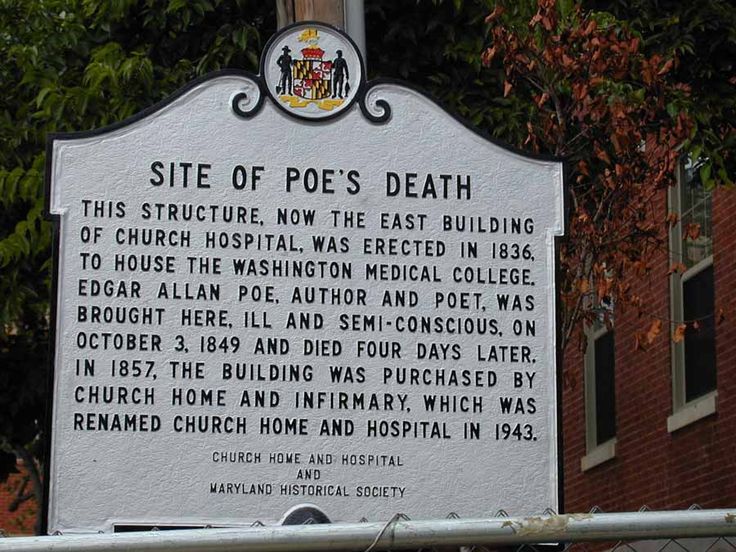
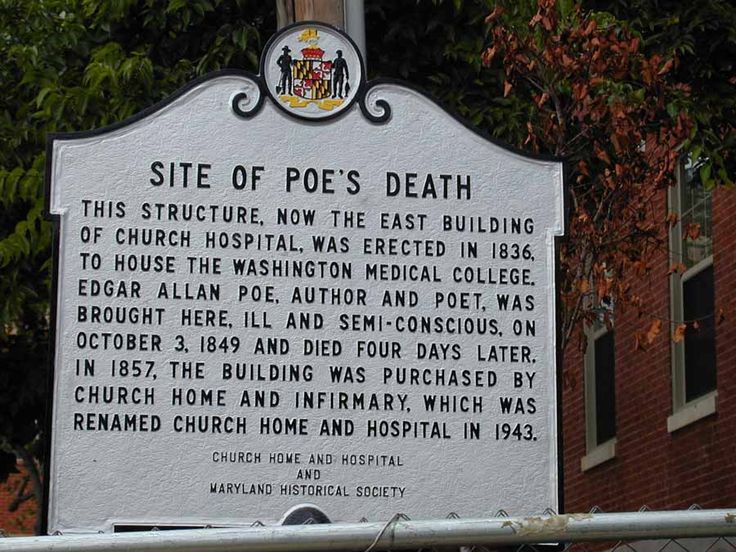
What were Poe’s last words? His cause of death and last words are the source of much speculation. Several days before he died, Poe had been found in a confused state in a tavern suffering from visual hallucinations. He allegedly repeated the words “Reynolds! Oh! Reynolds!” again and again. The identity of “Reynolds” remains one of literature’s most enduring mysteries. His final words before he slipped into coma were: “Lord, help my poor soul.” He spoke these words on October 7, 1849, in Baltimore at Washington Medical College Hospital, where he had been brought for care. His final attending physician, Dr. John J. Moran, provided various accounts of his death, which leave much surrounding his demise mysterious. His original cause of death had been called “congestion of the brain” triggered by hepatic encephalopathy, resulting from alcoholism. In an analysis published in the “Maryland Medical Journal” in 1996, cardiologist R. Michael Benitez suggested that Poe’s death most likely resulted from encephalitic rabies, possibly contracted from one of his pets. Many scholars earlier had suggested his death was caused by alcoholism, drug abuse (opium, morphine, or laudanum), delirium tremens, or even being the victim of “cooping,” a form of electoral fraud where gangs would kidnap and drug people to vote multiple times for a candidate. Benitez highlighted several aspects of his presentation: hydrophobia, delirium with alternating periods of lucidity, and also alcohol aversion during his calm periods. Benitez asserts that these are classic symptoms of rabies, a strange end to a writer who often focused on the macabre.4–6 Other scholars and physicians have suggested as possible reasons of his death: Wernicke’s encephalopathy, diabetic coma, head trauma with development of extradural hematoma, complex partial seizures, and “the great imitator” neurosyphilis.7–11 The exact source of death may never be uncovered.12 In 2024, David F. Gaylin authored a comprehensive look at his death entitled “The Final Days of Edgar Allan Poe: Nevermore in Baltimore.”13 This volume is recommended for further reading on this topic.
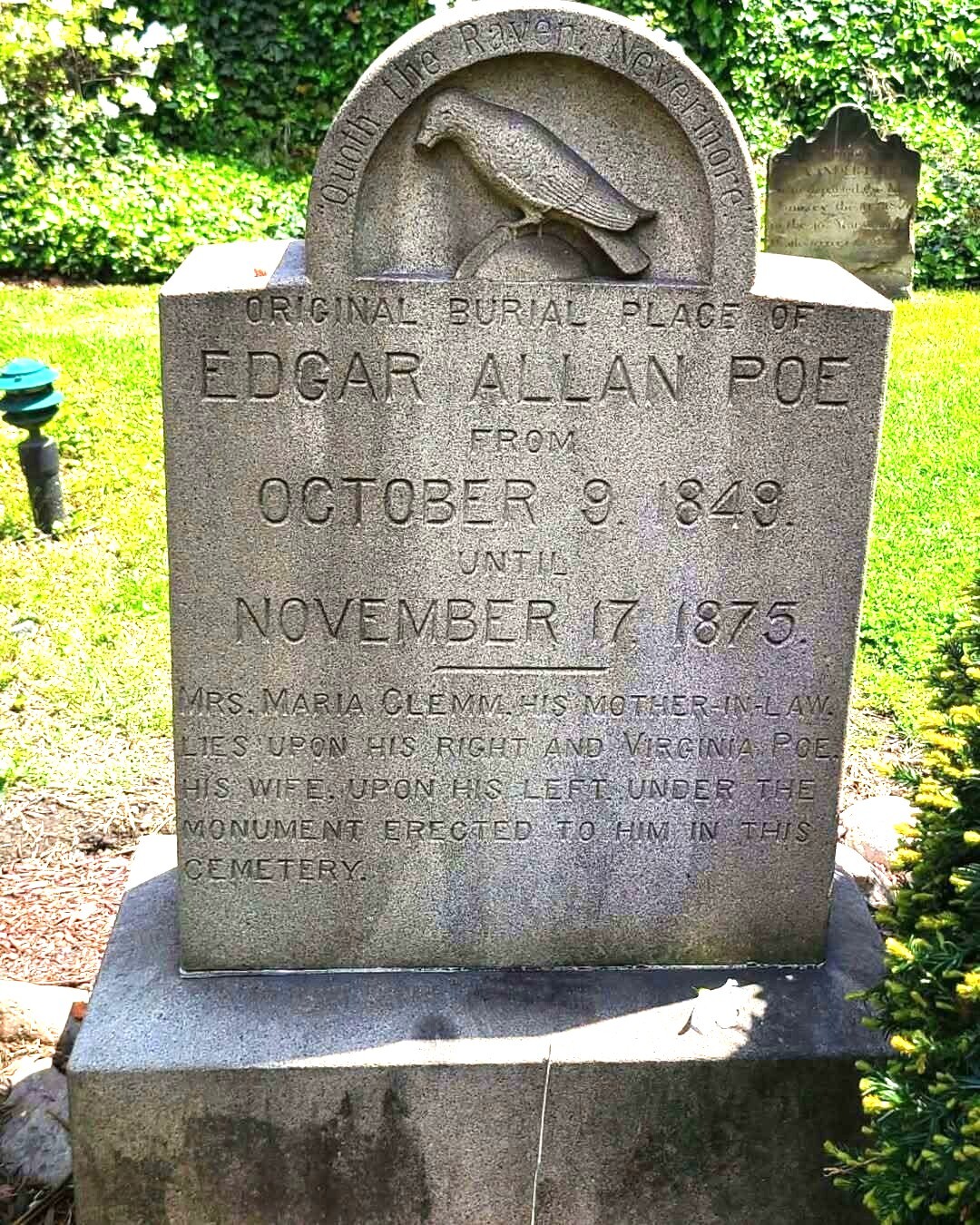
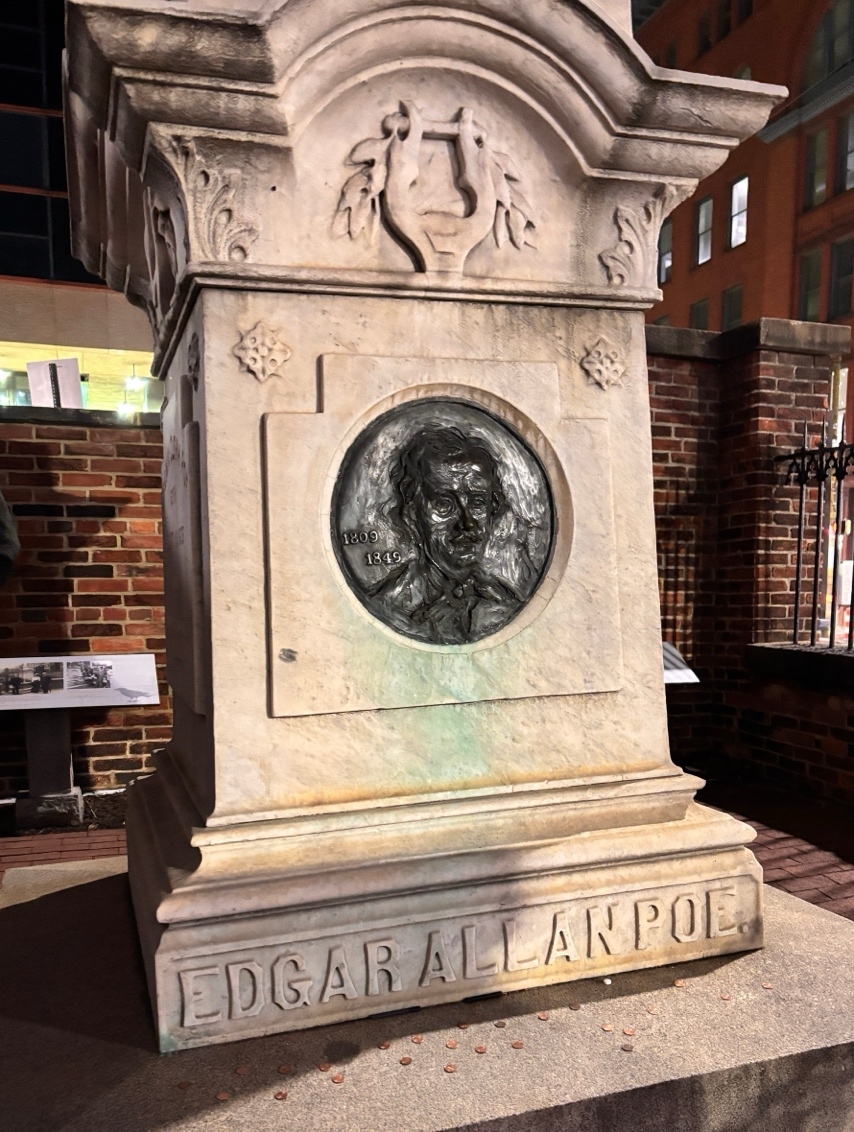
The editorial assistance of Cathy Chance Harvey, PhD, of Tylertown, in the preparation of this poem is gratefully acknowledged. Physicians are invited to submit poems for publication in the Journal either by email at drluciuslampton@gmail.com or regular mail to the Journal, attention: Dr. Lampton.]—Ed.
EDGAR ALLAN POE, BEFORE EXPIRING, SAID
Listen: you can hear the noise that hearts make
When in the silence of a room they break
Into fragmented memories never to be
Restored again to pristine unity.
Listen: you can hear the dissolution
Of hearts suspended in a hot solution
Of humors vitriolic with sordidity
Made valid by love’s invalidity.
For they are not inarticulate as we are,—
They have stories wonderful to tell,
Scorching— unforgettable— memorable—
Stories whose glow would light the farthest star
Should they expire in flame on my dying mouth
No more to voyage north or travel south!
—Merrill Moore, MD (1903-1957)