

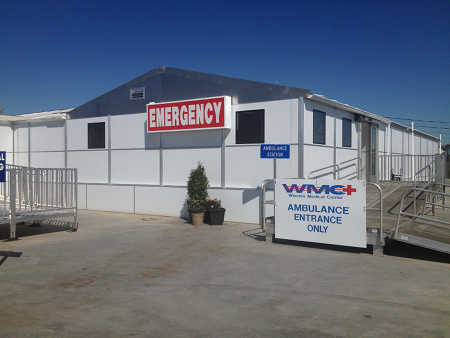
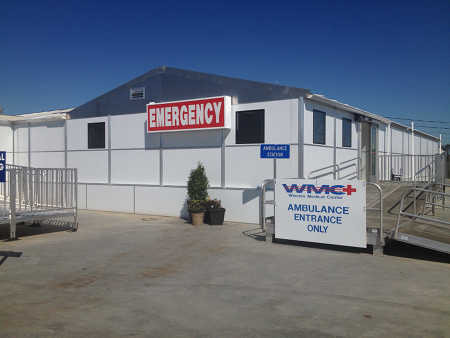
In 2014, a tornado tore through Louisville, Mississippi, severely damaging Winston Medical Center. The hospital eventually reopened, but, like a growing number of rural hospitals across our state, it reopened without labor and delivery services. The building returned. The obstetric unit did not.

That story may be used to illustrate Mississippi’s shortage of obstetric care, but it also points to a larger issue. Mississippi’s maternal mortality crisis has many causes, and rebuilding obstetric capacity is only one of them.
A less recognized challenge is that the emergencies increasingly threatening pregnant and postpartum women now fall within the expertise of emergency medicine. If we hope to reduce maternal morbidity and mortality in our state, we must recognize that improving obstetric care alone is not enough. Emergency departments must become active partners in maternal health.
The Mississippi Maternal Mortality Review Committee’s (MMRC) most recent report reinforces the urgency of this partnership. Reviewing maternal deaths from 2019–2023, the committee determined that more than four out of five pregnancy-related deaths (82%) had at least some chance of being prevented.1 Their recommendations extend well beyond labor and delivery, calling for improvements in care coordination, emergency response, access to care, and standardized clinical systems. Those recommendations cannot be accomplished by obstetrics alone.
A population we already care for
In Mississippi, where maternity units continue to disappear from rural communities and maternal mortality remains among the highest in the nation,1 emergency departments have quietly become the front door for pregnancy-related care.
Nationally, pregnant patients show up in emergency departments millions of times a year — roughly one in every ten visits by a woman of reproductive age involves someone who is pregnant.2 The majority of those visits have nothing to do with labor and delivery.3 Early pregnancy loss alone sends hundreds of thousands of women to the emergency department every year, often before they’ve had a single prenatal visit.4
This cohort is not a niche patient population passing through our departments on the way to someone else’s service. These are our patients. We already evaluate them, resuscitate them, and make critical decisions about their care every day, whether our systems have fully adapted to that reality or not.
The obstetric emergency has changed
For years, we taught that pregnant women died primarily from hemorrhage, hypertensive disorders, infection, and embolism. While those conditions remain important, the picture has changed dramatically. National data now show that overdose has become the leading cause of maternal death, followed by homicide and suicide, prompting investigators to conclude that the “classic dogma” of maternal mortality no longer reflects reality.5–7
Mississippi’s experience mirrors these national findings. The latest MMRC report for our state identified cardiovascular disease, mental health conditions, substance use, infection, and hemorrhage among the major contributors to pregnancy-related death while emphasizing that multiple contributing factors—including clinical care, systems issues, and social determinants of health—were common across cases. These contributors are precisely the types of complex patients who often first present to an emergency department.
Read that list again: overdose, suicide, homicide, trauma, cardiovascular disease. Those are not failures of obstetrics. They are the daily work of emergency medicine.
The pregnant patient has changed
This transformation in maternal mortality is occurring alongside an equally important change in who is becoming pregnant. Women are having babies later than they used to — a trend that’s been building for decades.8 Mississippi still skews younger than the rest of the country, but we are not exempt from it.
What matters more for those of us in the emergency department: patients are showing up sicker than they used to. Diabetes in pregnancy has more than tripled over the past three decades, and chronic hypertension has nearly tripled, too — and that holds across every age group, not just older mothers.9 The patient in front of you today is more likely than she would have been a generation ago to already have hypertension, diabetes, obesity, heart disease, a psychiatric condition, or a substance use disorder — and more likely to crash because of one of those comorbidities than because of a straightforward obstetric complication.
In our own emergency departments, the pregnant patients who keep us awake at night are not always the ones actively hemorrhaging in labor. They are the woman at 30 weeks with severe hypertension and chest pain. The patient in early pregnancy presenting after an overdose. The postpartum mother in psychiatric crisis. The trauma patient whose pregnancy is discovered during the primary survey. These are no longer unusual cases. They are increasingly common realities of emergency medicine.
This is not a patient population that belongs to one specialty. It is a patient population that demands collaborative care.
Our systems have not caught up
If pregnant patients increasingly require emergency medicine expertise for their acute management, why haven’t our systems adapted to this change?
Part of the answer is structural. Obstetric emergencies remain what patient safety experts describe as high-acuity, low-occurrence events at any individual hospital. Emergency physicians must maintain competency in conditions they may encounter only a handful of times each year.
Part of the answer is geographic. More than 180 rural hospitals have closed across the country since 2005, many taking obstetric services down with them.10 Nationally, about a third of counties now qualify as maternity care deserts—no hospital-based obstetric care, no obstetric clinician nearby. Mississippi is worse off than most: nearly half of our counties fall into that category.11 In a lot of our communities, the emergency department isn’t a backup option. It’s the only door open to a pregnant patient at 2 a.m. Severe hypertension, a pulmonary embolism, an overdose, a trauma, a psychiatric crisis, postpartum sepsis—increasingly, we’re the first and only stop.
And part of the answer is cultural. Too often, we still think of the pregnant patient as “OB/Gyn’s patient” who happens to be sitting in our emergency department, rather than recognizing that the moment she registers, she becomes our patient, too.
The case for true Emergency Medicine–Obstetrics partnership
The latest Mississippi MMRC review found that maternal deaths rarely resulted from a single mistake or a single specialty. Instead, they reflected missed opportunities across the healthcare system—from delayed recognition of deterioration to gaps in communication, care coordination, and standardized clinical processes.1 Those are exactly the kinds of problems emergency physicians can help solve.
None of these findings suggest that emergency physicians should become obstetricians. In fact, it argues exactly the opposite. This is not an emergency medicine problem or an obstetric problem. It is a shared responsibility.
As maternal mortality shifts toward cardiovascular disease, trauma, overdose, psychiatric illness, and violence, emergency medicine and obstetrics become increasingly dependent on one another.
Emergency physicians bring expertise in resuscitation, trauma care, toxicology, emergency cardiovascular management, and psychiatric emergencies. Obstetricians bring expertise in maternal physiology, fetal assessment, pregnancy-specific therapeutics, and delivery. Neither specialty can fully manage these patients alone.
That reality should be reflected in how we build our systems. Every emergency department that cares for pregnant patients should have standardized consultation pathways—whether in person or through telehealth—joint emergency medicine and obstetric protocols, multidisciplinary simulation training, nursing education, and quality improvement metrics that recognize pregnant patients as an emergency medicine population rather than an obstetric exception. National organizations have already developed obstetric emergency readiness toolkits and simulation curricula for exactly these environments. Mississippi does not need to reinvent these resources. We simply need to adopt them.
Where this leaves us
The labor and delivery unit at Winston Medical Center may never reopen, and unfortunately it is unlikely to be the last.
But the maternal mortality crisis facing Mississippi will not be solved solely by rebuilding obstetric units. The Mississippi MMRC has given our state a clear message: most maternal deaths are preventable and preventing them will require coordinated action across the entire healthcare system—not simply better obstetric care.
The emergencies increasingly killing pregnant and postpartum women—overdose, violence, cardiovascular collapse, psychiatric illness, and trauma—are no longer problems waiting for an obstetrician. They are emergencies waiting for an emergency physician and an obstetrician to respond together.
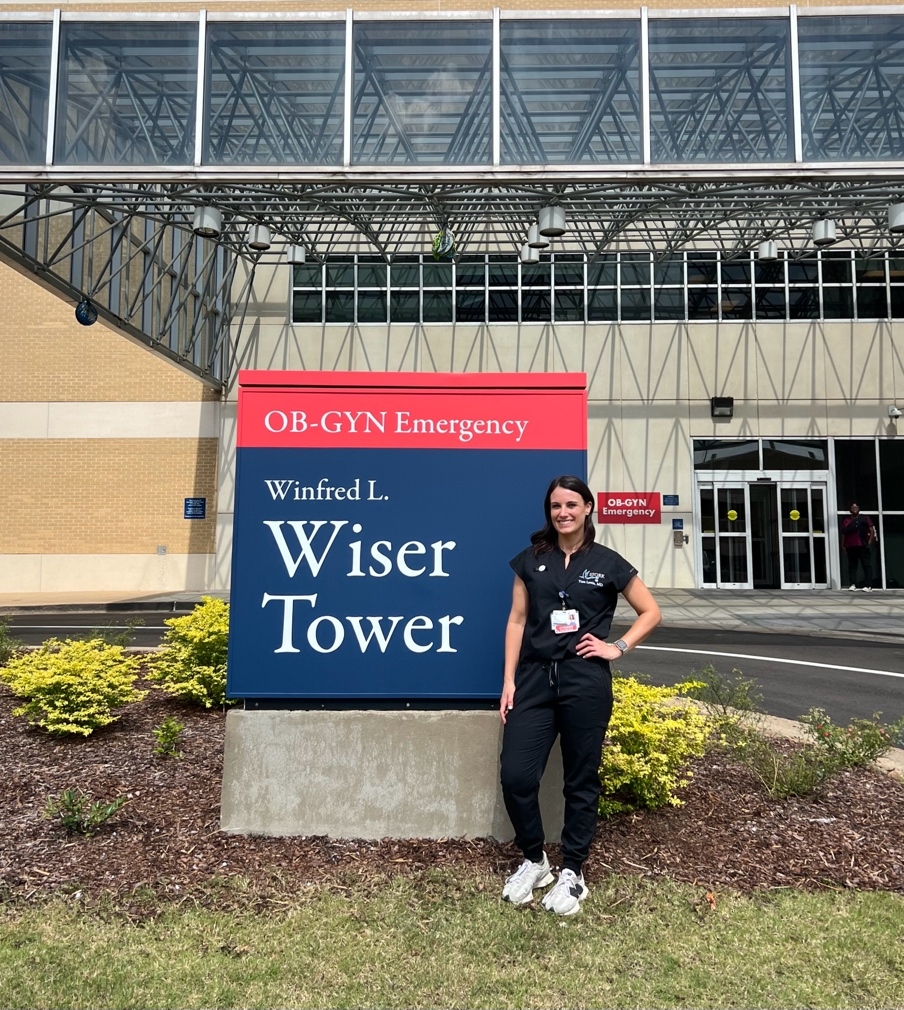
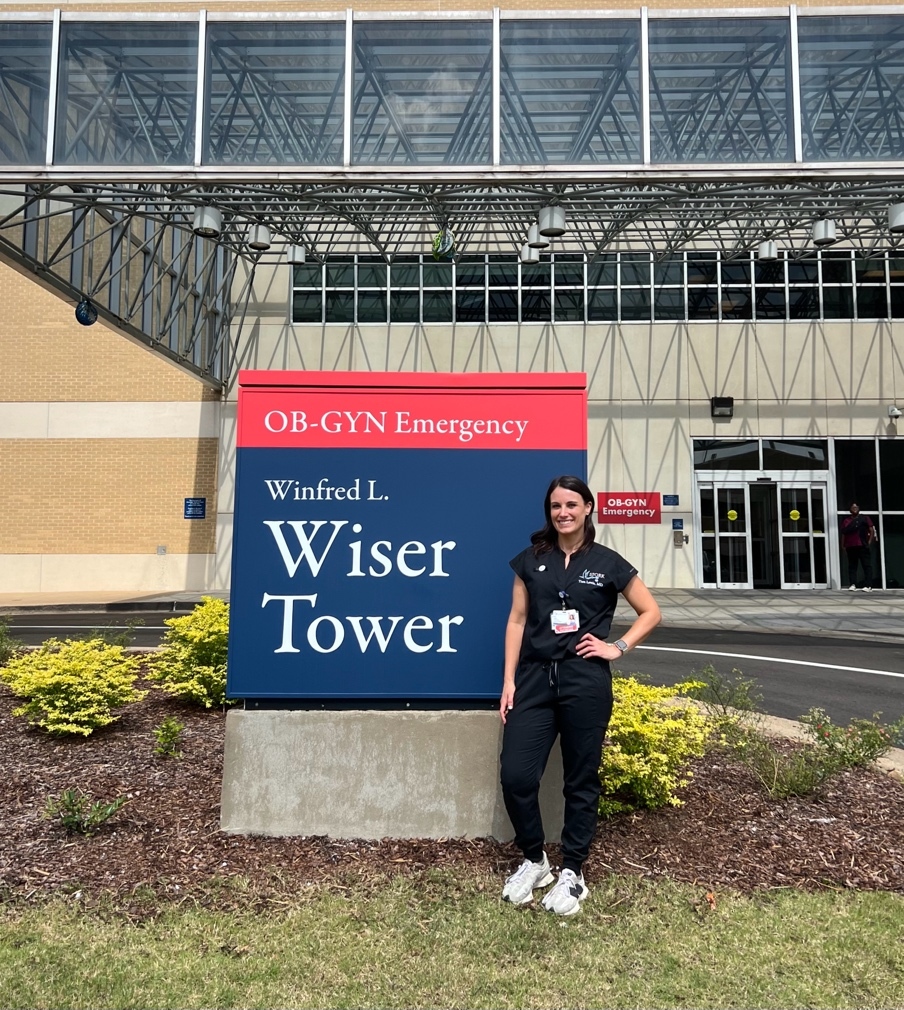
As someone who spent a decade as a labor and delivery nurse before becoming an emergency physician, I’ve watched these worlds slowly converge. Today, as I help build Mississippi’s first fully comprehensive obstetric emergency department, I’m convinced the question is no longer whether emergency physicians should care for pregnant patients. We already do— millions of times per year. The question is whether we will intentionally build emergency departments, protocols, partnerships, and training programs that reflect this reality. This awareness is not a call for emergency physicians to replace obstetricians. It is a call to recognize that maternal health has become a shared responsibility. Emergency medicine cannot solve this crisis alone, and neither can obstetrics.
Maternal mortality will not improve simply because obstetricians work harder—we will improve outcomes when emergency medicine and obstetrics embrace maternal health as a shared responsibility and build systems of care together.
Mississippi has an opportunity to lead by embracing emergency medicine and obstetrics as equal partners and stakeholders in maternal safety.
Suggested First Steps for Mississippi Emergency Departments
For hospitals seeking to improve obstetric emergency readiness, the following actions require minimal financial investment and can often be implemented within existing quality improvement structures:
-
Adopt the Alliance for Innovation on Maternal Health (AIM) Obstetric Emergency Readiness Resource Kit.
-
Incorporate American College of Obstetrics and Gynecology (ACOG) emergency department algorithms and Access Bridge emergency department workflows, clinical protocols, and educational toolkits into local departmental workflows.
-
Conduct at least one multidisciplinary obstetric emergency simulation annually involving emergency medicine, nursing, obstetrics (or tele-obstetric partners), Emergency Medical Services (EMS), and pharmacy using existing simulation scenarios from AIM.
-
Review one pregnancy-related emergency case each quarter as part of departmental quality improvement.
-
Establish a standardized consultation pathway with an obstetric referral center for facilities without on-site obstetric services.
These and other resources are available in Appendix
Financial disclosure: Author has completed a competitive-funded reproductive health fellowship with Access Bridge and worked with AIM to develop the Obstetric Emergency Readiness Resource Kit.
Anthropic’s Claude was used in editing and drafting this manuscript. The author reviewed and approved all content, including factual claims and citations, and retains full responsibility for the final text.
Disclaimer
The views expressed are solely those of the author and do not necessarily reflect the official positions or policies of the authors’ employers, institutions, funders, or any organization or association with which the authors are affiliated.