

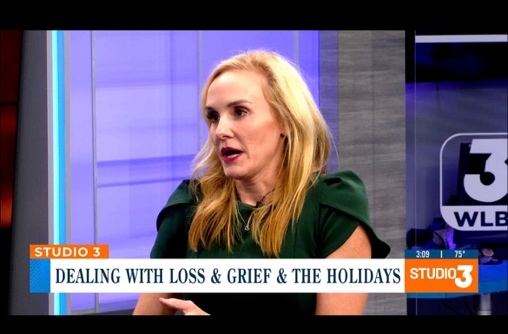
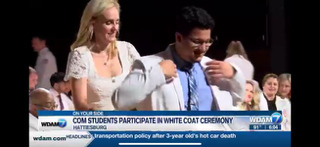
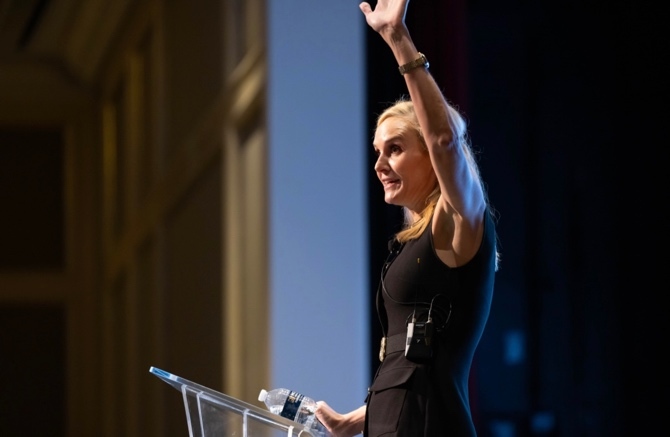
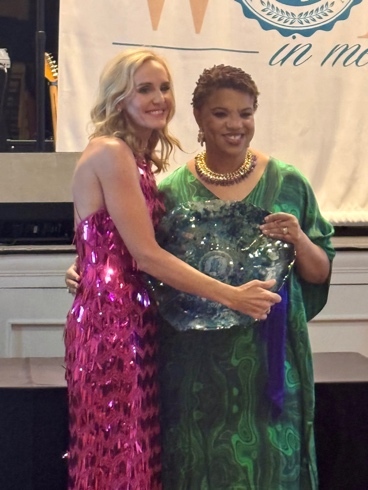
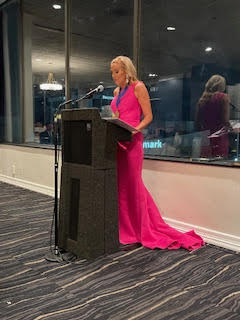
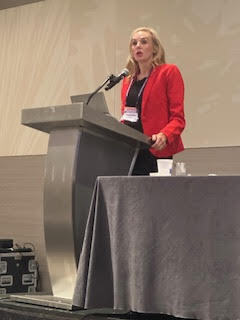


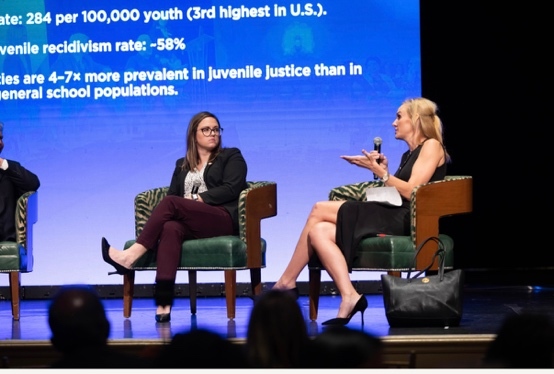

Dr. Sarah Katherine Gantz Pannel, the 158th President of the Mississippi State Medical Association (MSMA), is a board-certified psychiatrist and the medical director for Right Track Medical Group in Oxford, Mississippi. A native of Inverness, Mississippi, she goes by her middle name, “Katherine.” She received her undergraduate degree in Biology from Delta State University, then graduated with a Doctor of Osteopathic Medicine degree from Kansas City University College of Osteopathic Medicine (KCU-COM) and completed her psychiatric residency at the University of Arkansas for Medical Science and at the University of Alabama at Birmingham (Geriatric Specialty). She is certified by the American Board of Psychiatry and Neurology. She has been practicing psychiatry in North Mississippi since 2010. She has been actively engaged as a leader in multiple roles at your MSMA over the last decade and is nationally recognized for her service to our profession. Your Journal Editor recently asked her a few questions for the benefit of our readers:
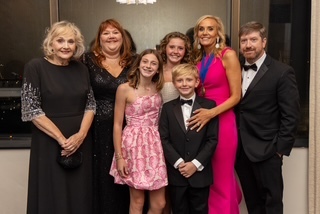
Dr. Lampton: As you were sworn in as President, your physician husband and your three children were standing next to you. It is obvious that your family is very important to you. Tell us of your family, where you live, and your day-to-day family life? How do two physician parents, you and your husband, juggle your many roles as parents, physicians, and engaged members of your community?

Dr. Pannel: Family is truly the foundation of my life. My husband and I are both physicians, but more importantly, we are partners in raising three wonderful children who bring joy and purpose to our days. We live in Oxford, Mississippi, where our home is filled with laughter, love and a lot of chaos. Being a mother is the most meaningful role I hold, and everything I do - whether in medicine, leadership, or community service - is influenced by my desire to nurture and guide my children. Juggling our careers and family life takes constant communication, teamwork, and flexibility. My husband and I support each other so that we can each be present for our patients and our children, while also carving out time for family dinners, school events, and simple moments together.
They say that raising a family “takes a village” and it really is true. I have an amazing village that helps me with my kids while supporting my dreams. My mom and sister love my kids like their own and help me out tremendously!
We also see our community involvement as an extension of our parenting. By staying engaged, we are modeling for our children the importance of service, compassion, and advocacy. While the balance is never perfect, the deep love I have for my family keeps me grounded and reminds me why I chose this path in the first place.
Dr. Lampton: Tell us about your path to becoming a physician and your journey to where you are today. Tell us about your daily work as a practicing psychiatrist.
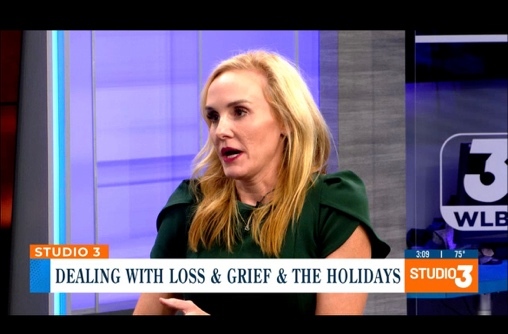
Dr. Pannel: As a child, I proudly told anyone who would listen that I was going to be a “woman policeman.” Over time, that dream shifted towards medicine. That seems like a huge leap, but I think I ultimately just wanted to be in a profession that would allow me to help people. Ironically, the one specialty I was certain I would never choose was psychiatry. My family had been touched by mental illness early in my life, and I felt I’d already experienced more than enough of it. But when I began my clinical rotations, none of the other specialties sparked the passion I was searching for - until I stepped onto the psychiatry unit. There, everything clicked. I could truly empathize with patients and their families because I understood their struggles firsthand. I connected with them in a way I hadn’t expected, and a deep sense of purpose took hold. That fire has never faded.
My day-to-day practice is a hybrid of outpatient and inpatient psychiatry with a smattering of managed care. Seeing psychiatry from so many angles makes me a stronger, more compassionate physician - and I still love this field as much as I did on that very first rotation.
Dr. Lampton: You are the first doctor of osteopathic medicine to hold the position of president in MSMA history. What are your reflections on this achievement and also on the rising influence of DOs in the profession of medicine in our state and nation? Also, how do you balance your leadership roles at the MSMA and the Mississippi Osteopathic Medical Association (MOMA)?
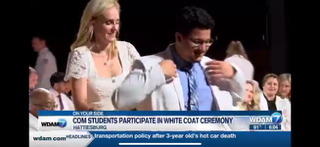
Dr. Pannel: Being the first doctor of osteopathic medicine to serve as president of the Mississippi State Medical Association is both humbling and deeply meaningful to me. I didn’t set out to make history; I simply wanted to serve my patients and my profession. But this moment reflects how far the osteopathic profession has come - not only in Mississippi but across the nation. Today, we are one of the fastest-growing segments of the physician workforce. More medical students than ever are choosing osteopathic schools, and they’re matching into every specialty, from primary care to highly competitive surgical fields. I was the “first” osteopathic physician to serve as president of MSMA but certainly won’t be the last! Balancing leadership roles in both the MSMA and the Mississippi Osteopathic Medical Association feels natural because the missions align. I see it less as juggling two hats and more as carrying a single commitment: advocating for all physicians and the patients we serve.
Dr. Lampton: Can you discuss the role of your mentors, both in medicine and in life? Who has influenced you most as a human and as a physician?
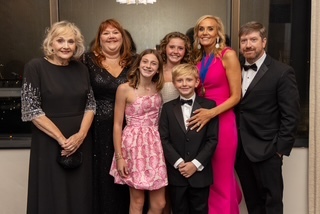
Dr. Pannel: My mom has been the single greatest influence on who I am - both as a person and as a physician. She raised us as a single mom, often working multiple jobs to make sure we had every opportunity to achieve our dreams. Despite the challenges, she never let us doubt what we were capable of. Her constant message was simple but powerful: we could do anything we set our minds to. Watching her work tirelessly, always putting others first, taught me resilience, empathy, and the importance of service - qualities that guide me every day in my practice as a physician. She showed me that hard work, compassion, and belief in others are not just values, but ways of living, and I strive to bring that same dedication and care to my patients and my family.
Dr. Lampton: In your passionate work advocating for physicians and patients, you have served on many boards and committees, including the Mississippi Physician Health Program and the Mississippi Rural Physicians Scholarship Program. What has this service meant to you?
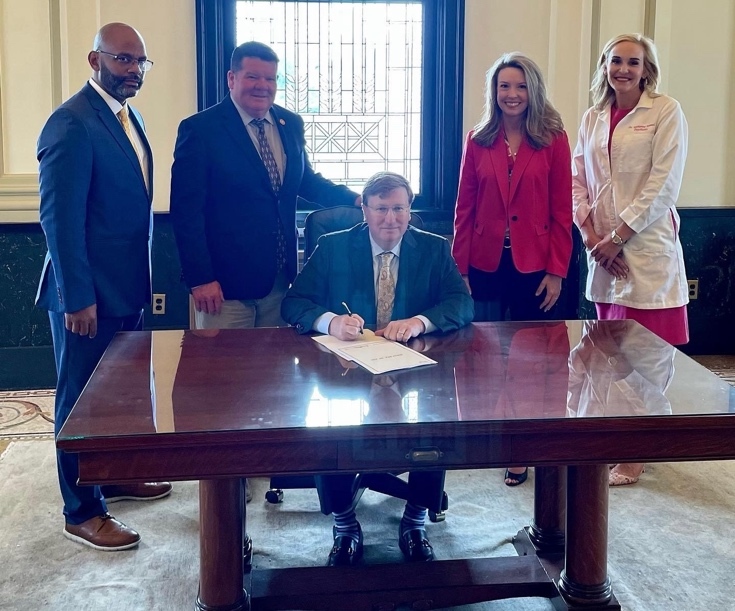
Dr. Pannel: Serving on boards and committees like the Mississippi Physician Health Program and the Mississippi Rural Physicians Scholarship Program has been one of the most meaningful aspects of my career. These roles have allowed me to support physicians and patients in ways that extend far beyond my clinical practice. Through the Physician Health Program, I’ve seen firsthand the importance of supporting the well-being of our colleagues - because healthy physicians are better able to care for their patients. Similarly, participating in the Rural Physicians Scholarship Program has given me the privilege of mentoring the next generation of doctors, many of whom will serve communities like the one I grew up in. These experiences are deeply personal to me. Growing up in the Mississippi Delta, I saw how critical access to healthcare is, and how much a single dedicated physician can impact a community. Being able to give back through these programs allows me to honor that upbringing while helping shape the future of medicine in our state.
Dr. Lampton: You played a key role in the passage of several Mississippi laws, including the decriminalization of fentanyl test strips and the requirement for substance abuse education in our schools. Can you discuss your experience in working with the Mississippi Legislature in the passage of such bills?
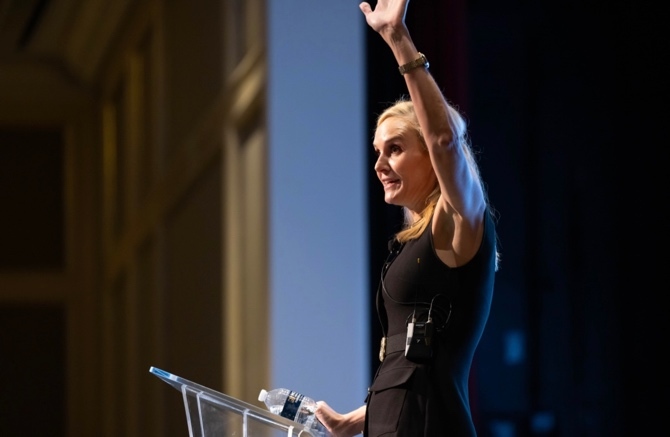
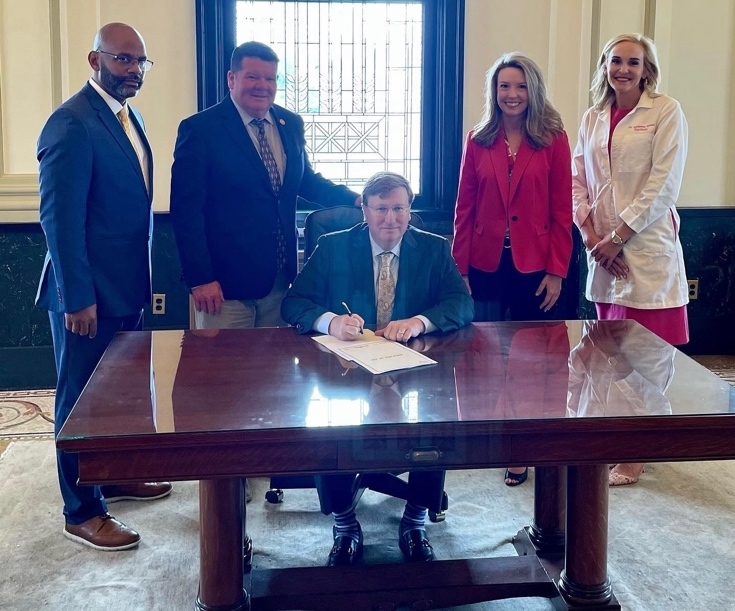
Dr. Pannel: Working with the Mississippi Legislature on the passage of bills like the decriminalization of fentanyl test strips and the requirement for substance abuse education in schools has been both very challenging and incredibly rewarding. These experiences showed me that advocacy is not just about knowing the issues - it’s about building relationships, listening to different perspectives, and finding common ground to protect and improve public health. When we worked on the fentanyl test strip legislation, for example, it was clear that the goal was harm reduction - keeping people alive long enough to access treatment. That required educating legislators about the science and the real-world impact while addressing concerns and misconceptions. Similarly, with substance abuse education in schools, we worked to ensure that young people receive the knowledge and tools they need to make safe, informed choices. What I learned from these experiences is that change rarely happens overnight, and it often requires persistence, patience, and collaboration. It also reaffirmed why I advocate so passionately: the policies we pass have real consequences for patients, families, and communities. Seeing these bills become law was a reminder that physicians can - and must - be a voice in shaping health policy, not just practicing medicine.
Dr. Lampton: Your community-driven initiative, Crocheting for a Cause, earned a “One in a Million Award” in 2020. This initiative focused on creating fidget sleeves for patients with dementia. Can you discuss your work on this initiative and the importance of this issue?
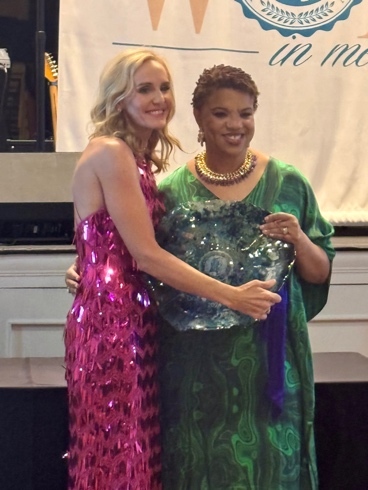
Dr. Pannel: Crocheting for a Cause was born out of a desire to help some of our most vulnerable patients - those living with dementia - especially during the isolation and uncertainty of the COVID-19 pandemic. The initiative focused on creating fidget sleeves, which are simple tactile tools that help patients with dementia manage anxiety. I was inspired by the struggles I saw in nursing homes during COVID, where patients were growing increasingly anxious and isolated. By mobilizing volunteers and community members to crochet these sleeves, we were able to provide a tangible way to improve the quality of life for patients. This initiative reinforced a core belief of mine: small, thoughtful interventions, driven by community engagement and empathy, can make a profound difference in the lives of those we serve.
Dr. Lampton: Your past leadership as chairman of the MSMA Board of Trustees (BOT) and as a longtime trustee was significant. What do you remember as your major accomplishments leading the MSMA as BOT chairman?
Dr. Pannel: During my time as chair, scope of practice was unquestionably the most pressing issue we faced. It is always a battle, but that year it was an especially uphill battle. Protecting the integrity of physician-led, team-based care became a daily focus. Mississippi patients deserve to know that the person making complex medical decisions has the depth of training and accountability that only a physician’s education provides.
Dr. Lampton: You are the past President of the Northeast Medical Society. What is the role of our component societies in our MSMA and our state at large in developing physician leaders and supporting practicing physicians?
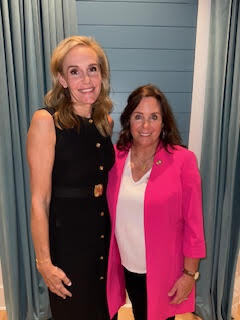
Dr. Pannel: Our component societies are the foundation of the Mississippi State Medical Association. They create the first and often most meaningful connection physicians have to organized medicine. For many of us - including me - it’s where leadership skills are discovered and nurtured. These local societies give physicians a space to share challenges, exchange ideas, and build the relationships that sustain a career in medicine. They also identify and mentor future leaders, encouraging physicians to step into advocacy roles at the state level. Beyond leadership development, component societies provide immediate, practical support. They’re where physicians can discuss legislative issues, coordinate responses to local health crises, and stay connected to the unique needs of their communities. In short, they are the roots that keep Mississippi’s house of medicine strong and help ensure every physician - no matter how busy - has a voice and a network.
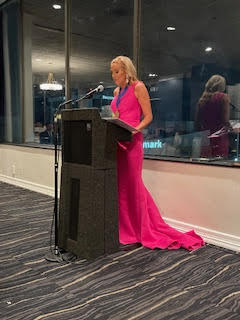
Dr. Lampton: Much of your advocacy has focused on mental health, physician autonomy, and safeguarding patient care. What issues will compose your theme this year as MSMA President?
Dr. Pannel: I plan to continue to focus on mental health, physician autonomy, and safeguarding patient care, but another theme this year is physician well-being. We cannot care for Mississippi patients if we neglect the health of the physician. I’m focused on ensuring every physician can seek mental-health support without fear of stigma, licensing repercussions, or professional retribution.
Protecting confidential access to counseling and treatment is essential - not only for physicians, but for the safety of the patients who depend on us. Caring for the caregiver is the most direct way to strengthen healthcare across our state.
Dr. Lampton: What are other goals and challenges you would like to address this year as President? Do you anticipate any significant issues facing us in advocacy at the state Legislature next year? Are there national issues that we as an organization need to address?
Dr. Pannel: This year, my primary goals as MSMA President are protecting physician-led care and safeguarding Mississippi’s strong vaccination requirements. Scope of practice remains a critical issue - patients deserve to know that complex medical decisions are made by physicians with the training and accountability to provide safe, high-quality care. At both the state and federal level, we also face ongoing challenges in maintaining vaccination standards. Mississippi’s high immunization rates save lives, and preserving these protections is essential. In the coming year, we will continue advocating to ensure that policies support physician authority in patient care and uphold the public health measures that keep our communities safe.
Dr. Lampton: You have served on Mississippi’s AMA delegation and your work there has been recognized nationally. How can the AMA help our struggling profession? What is your vision as AMA delegate in accomplishing a better day for Mississippi and American physicians?
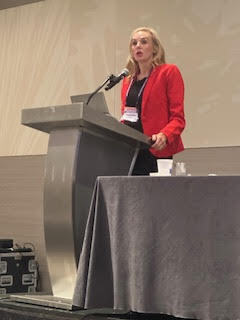
Dr. Pannel: I see three key areas where the AMA can have the greatest impact for physicians and patients. First, prior authorization reform - reducing unnecessary administrative burdens so physicians can focus on patient care. Second, advocating against CMS cuts that threaten practice sustainability and access to care. And third, preserving the physician-led care team, ensuring that medical decisions remain in the hands of those with the training and accountability to provide safe, high-quality care.
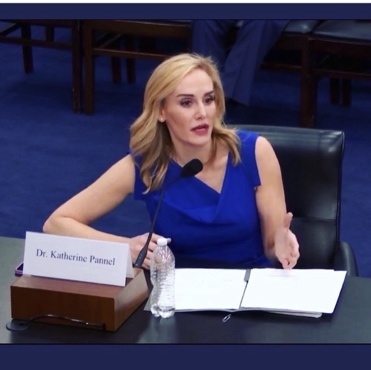
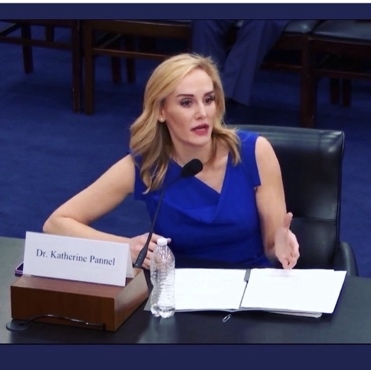
Dr. Lampton: You spoke before a Congressional Committee in Washington on mental health and the fentanyl crisis. You have also authored numerous articles on mental health for a variety of national publications: The DO, KevinMD, Better Homes and Gardens, and even The New York Times. What kind of response did your receive when you spoke and wrote for a national audience?
Dr. Pannel: The response was overwhelmingly positive. Speaking before a Congressional Committee on mental health and the fentanyl crisis - and writing for national outlets like The DO, KevinMD, Better Homes & Gardens, and The New York Times - helped raise awareness and translate complex issues into actionable solutions. Most importantly, my testimony contributed to harm reduction legislation in Mississippi, including decriminalization of fentanyl test strips, showing how physician advocacy at a national and local level can directly impact public health.
Dr. Lampton: Do you have any hobbies or avocations?

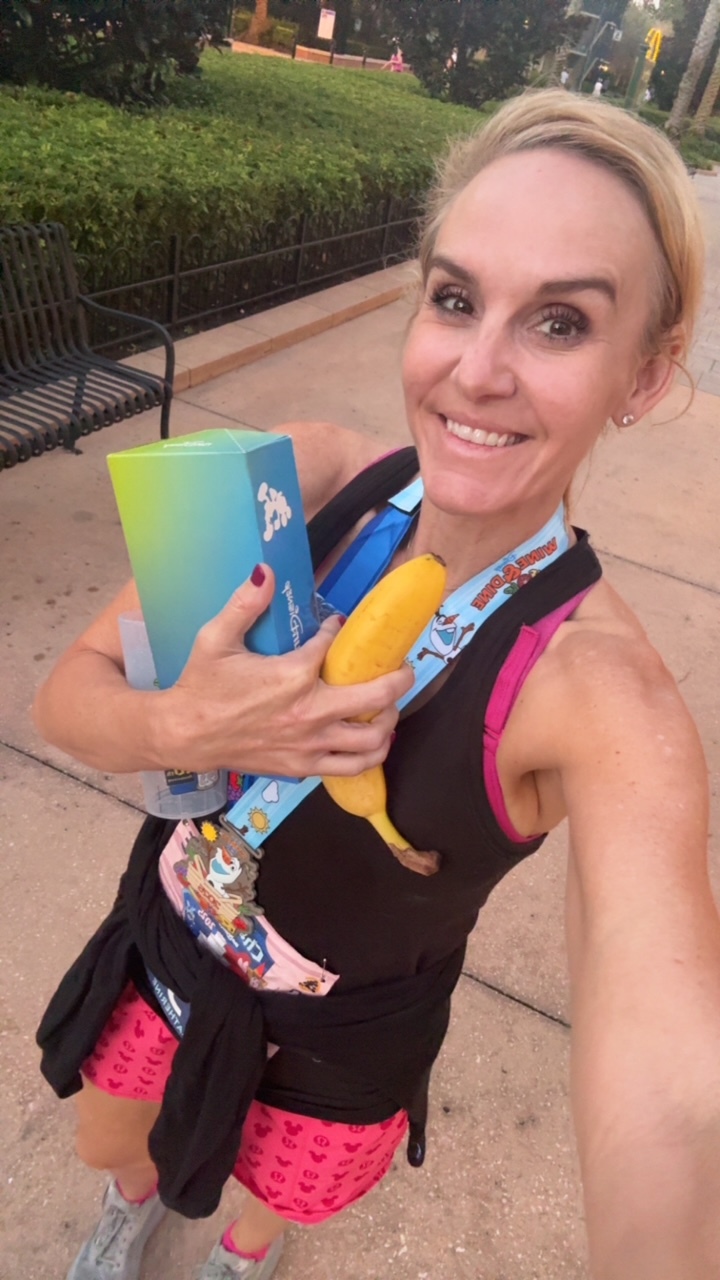

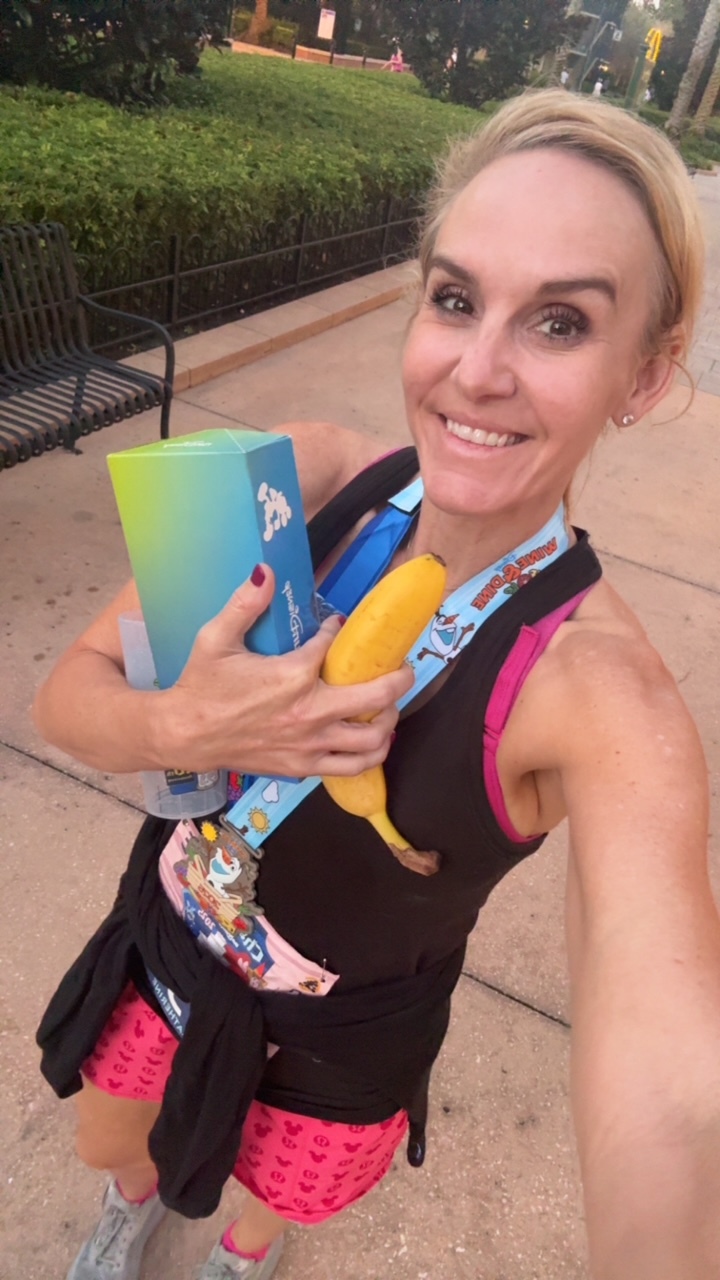
Dr. Pannel: Life doesn’t leave much room for hobbies these days, but I make running a non-negotiable priority. I’ve always believed in “practicing what I preach,” and since I counsel patients on the mental-health benefits of exercise, I try to model that myself. I carve out protected time to get a run in, no matter how busy the schedule. When I can, I especially love Disney races - they combine my love of running with a sense of fun and adventure that brings me pure joy.
Dr. Lampton: Is there any advice you would give a young Mississippi physician who wants to become engaged and involved in organized medicine? How do you do it effectively, especially considering the time burdens that impact all practicing physicians?
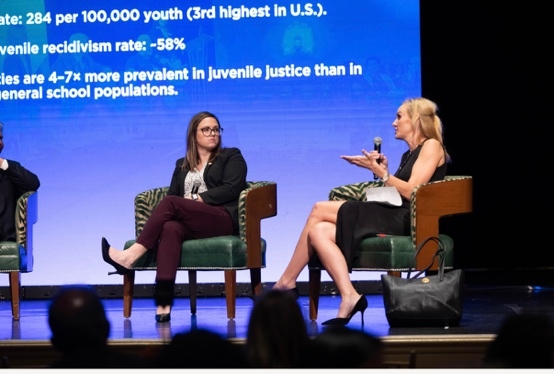
Dr. Pannel: My biggest advice is simple: just start - even if it’s small. Attend one component society meeting, introduce yourself, and listen. That’s exactly how my own journey began. I walked into a local meeting not knowing a soul, and the friendships and mentorships I found there changed the course of my career. Organized medicine can seem intimidating, but it thrives on relationships. Find a mentor, ask questions, and look for one issue you care about - whether it’s scope of practice, rural health, or physician wellness - and lend your voice. You don’t have to lead a committee on day one; showing up and learning is the first step. Time is always the challenge for physicians, so be intentional. Treat advocacy like any other patient-care responsibility: put it on the calendar and protect that time, even if it’s just a few hours a month. Small, consistent involvement adds up and makes a real difference. Above all, remember that organized medicine is about shaping the environment in which you - and your patients - will practice. If you don’t speak for physicians and patients, someone else will. Your perspective is invaluable, and Mississippi needs it.
Dr. Lampton: Is there anything else you would like our MSMA membership to know about their new President?

Dr. Pannel: I want the MSMA membership to know that I take this role with humility, gratitude, and a deep sense of responsibility. My journey - from growing up in the Mississippi Delta, to practicing psychiatry, to advocating for physicians and patients - has taught me the importance of listening, collaboration, and persistence. I am committed to protecting physician-led care, supporting physician well-being, and ensuring patient safety across our state. Above all, I want members to know that I see this position not as a title, but as a platform to amplify their voices, address the challenges you face every day, and work alongside you to strengthen Mississippi medicine for today and the future.